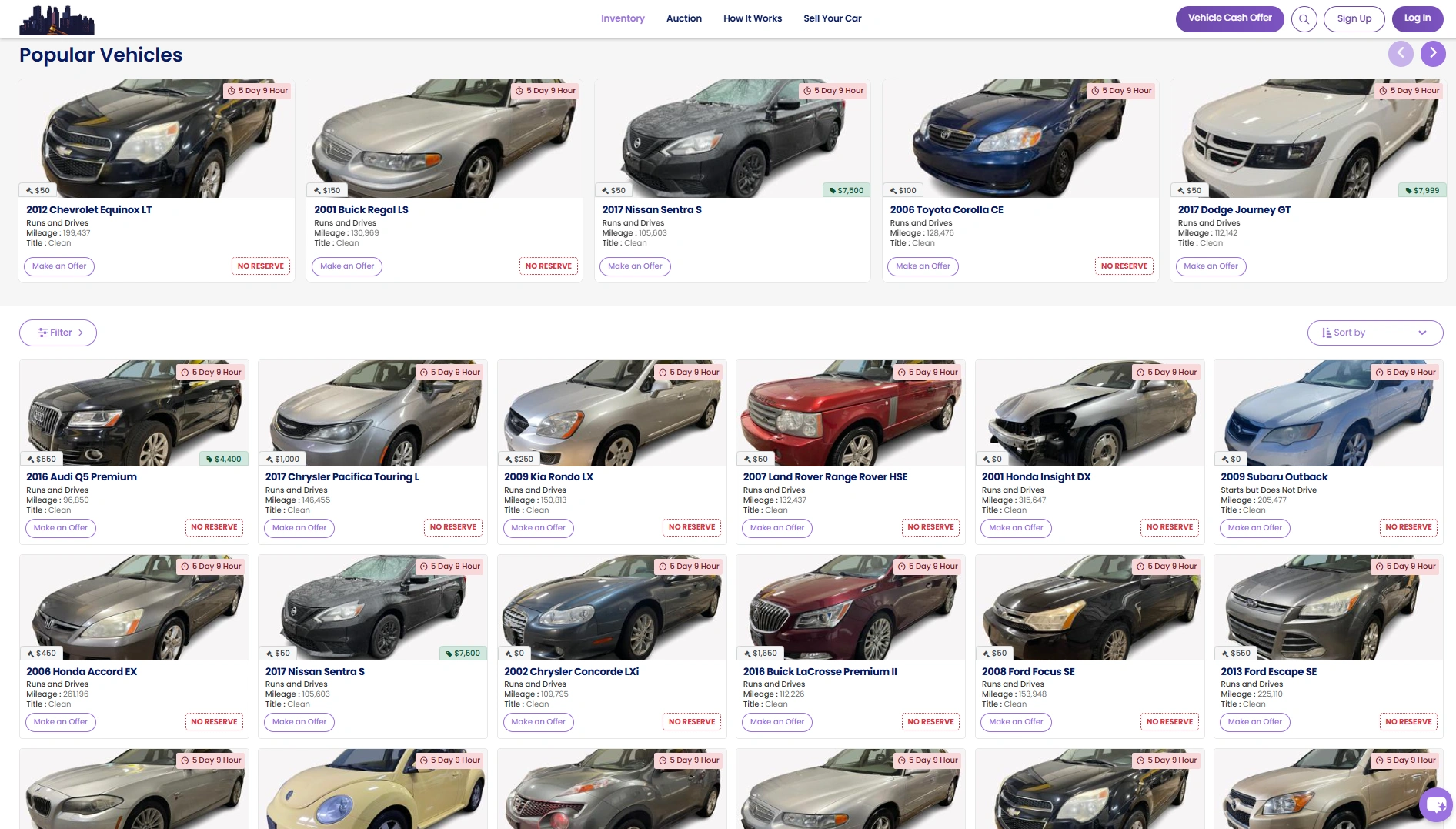

A public auto auction is a car auction anyone can bid at — no dealer license required. That sounds simple, but most “car auction” search results mix public sales with dealer-only lanes and salvage yards, and you only find out you can’t bid after you’ve signed up. This guide explains the main types, what a car really costs at auction once fees are added, and how buying online works from bid to delivery.
The four kinds of car auctions
| Type | Who can bid | What’s sold | Examples |
|---|---|---|---|
| Public auctions | Anyone with ID and payment | Trade-ins, consignments, donations, older daily drivers | Online marketplaces like Remarket Space; local public auction houses |
| Dealer-only auctions | Licensed dealers only | Off-lease and fleet cars, dealer trade-ins | Manheim, ADESA |
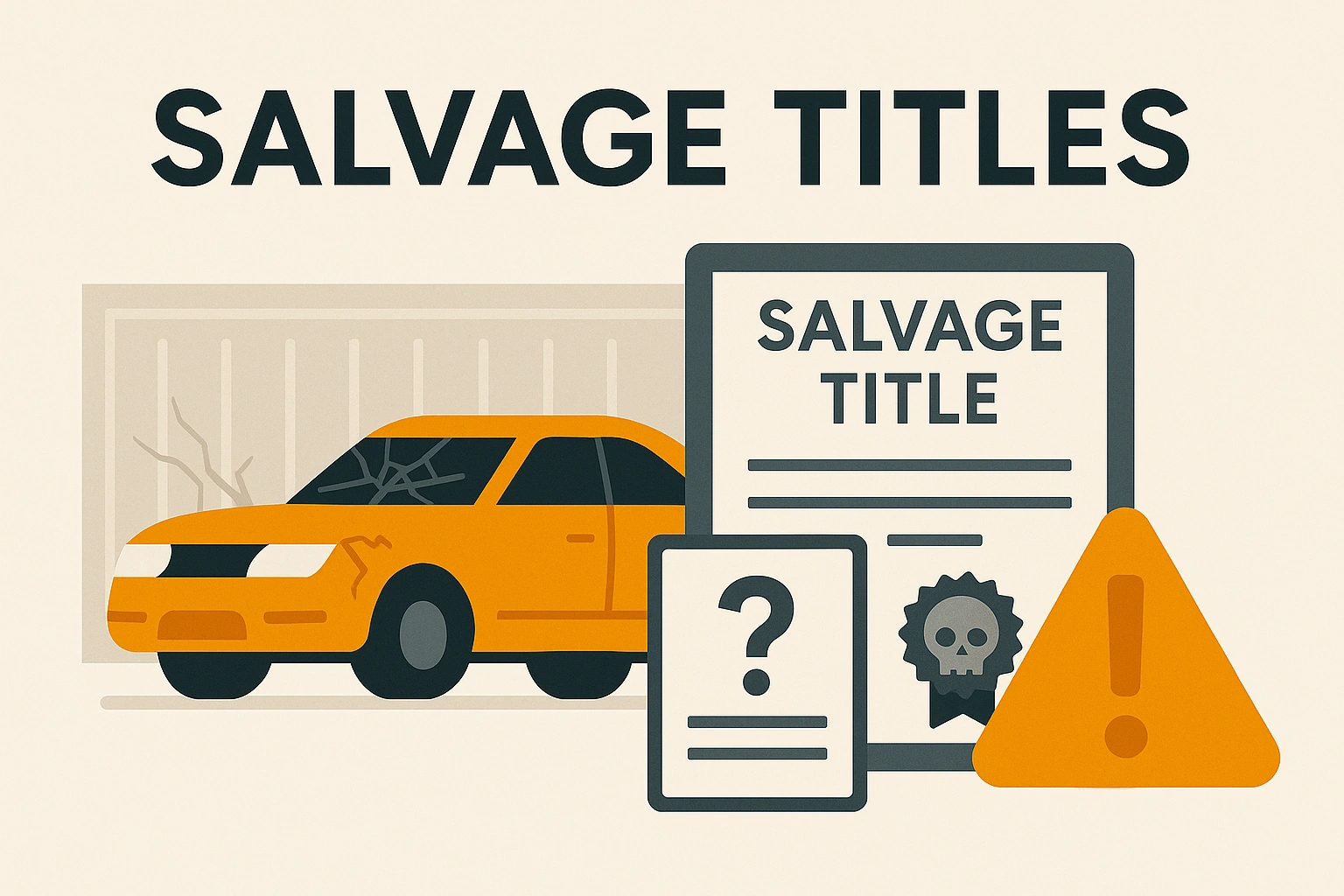
| Salvage auctions | Dealers, dismantlers, and the public on some lots | Insurance total losses, damaged and recovered vehicles | Copart, IAA |
| Government and impound auctions | Usually the public | Surplus fleet vehicles, abandoned and impounded cars | City impound lots and state surplus sales |
If you don’t hold a dealer license, your realistic options are public auctions, government and impound sales, and the salvage lots marked open to the public. Rules for salvage lots vary by state and title type, so check each listing before you bid.
How a public auto auction works
Most public auctions follow the same pattern:
- Register. Expect to provide a government-issued photo ID and a payment method. Online auctions usually verify your card before you can bid.
- Research the car. Read the condition report, look at every photo, and check the vehicle history. At an online auction this is your inspection, so take your time.
- Bid or buy. Many auctions now offer a fixed Buy Now price alongside live bidding.
- Pay. Payment deadlines are short — often 24 to 72 hours after the sale.
- Take delivery. Either pick the car up or have it shipped.
- Get the title. Title transfer can take several weeks depending on the state.
Reserve vs. no-reserve auctions
A reserve is a hidden minimum price. If bidding doesn’t reach it, the car doesn’t sell. A no-reserve auction has no minimum: the highest bid wins, whatever the amount. No-reserve sales are where the lowest prices happen, because the seller has committed to selling.
What a car really costs at auction
The winning bid is not the final price. Budget for:
- Buyer’s premium — the auction’s fee, usually a sliding scale based on price
- Administrative or documentation fee
- Sales tax and state title and registration fees
- Transport, if the car is delivered
To make this concrete, here are Remarket Space’s published fees as an example. The buyer’s premium runs from $89 on cars under $249 up to 7% of the price on cars over $15,000; the administrative fee runs from $99 to $249; and Minnesota buyers registering the car pay the state’s 6.875% sales tax plus $119.50 in DMV fees. The full tables are on the Pricing & Fees page.
A good rule: decide your maximum out-the-door price first, then work backward to your maximum bid.
How to buy at an online public auction without seeing the car
Online auctions replace the walk-around with information. Before you bid, look for:
- A written inspection that lists what’s wrong, not only what works
- Photos of the underside, engine bay, interior and VIN plates
- A test-drive or engine-running video, so you can hear how it starts and idles
- A vehicle history report
- Recent sale prices for the same model, so you know what it’s worth at auction
Then protect yourself: bids are usually binding, so set a maximum and stick to it.
Buying at Remarket Space
Remarket Space is an online auction and marketplace open to the public, based in Elk River, Minnesota. Here’s how it works:
- No dealer license needed. Create a free account, verify your ID, and add a card.
- Two ways to buy. Use Buy Now for an instant purchase, or bid in a live no-reserve auction. Pre-auction offers act as proxy bids, and live bidding moves in $50 steps.
- Every car is inspected. Each listing shows what’s wrong with the car, measured tire tread, dozens of photos, a test-drive video, and a free vehicle history report.
- Real sale prices are public. Every make and model page shows what similar cars actually sold for. See sold vehicles.
- Pay by card within 48 hours. Licensed dealers can also pay by ACH.
- Delivery, not pickup. Every vehicle is delivered, typically within 48 hours.
- Backed after the sale. Eligible cars carry the 3-Day Major Mechanical Guarantee for undisclosed engine, transmission, frame or flood damage, reported within 72 hours of delivery.
See how it works → · Browse today’s cars →
Frequently asked questions
Do I need a dealer license to buy at a public auto auction?
No. Public auctions are open to anyone who can provide ID and payment. Dealer-only auctions such as Manheim and ADESA require a license.
Can I inspect the car in person?
At online auctions, usually not. You rely on the condition report, photos, video and history report instead, so read them carefully before you bid.
Are bids binding?
At most auctions, yes. If you win, you’re expected to pay. Set your maximum before bidding starts.
How long does the title take?
It depends on the state. Expect several weeks; at Remarket Space, title transfers typically take 8 to 12 weeks.
What happens if the car has a major problem the listing didn’t mention?
That depends on the auction’s policy. Many sell strictly as-is. At Remarket Space, eligible cars are covered by the 3-Day Major Mechanical Guarantee for specific undisclosed defects.