

You are buying a car, selling one, or holding a stack of paperwork and wondering which piece the state actually wants. The title and the registration look alike, come from the same office, and get mentioned in the same breath. They do different jobs, and getting the order wrong can cost you fees or a suspended registration.
Shopping for the car itself? Remarket Space is open to the public, with no dealer license needed. See cars up for auction this week, and every listing shows what title and registration fees you will pay before you bid.
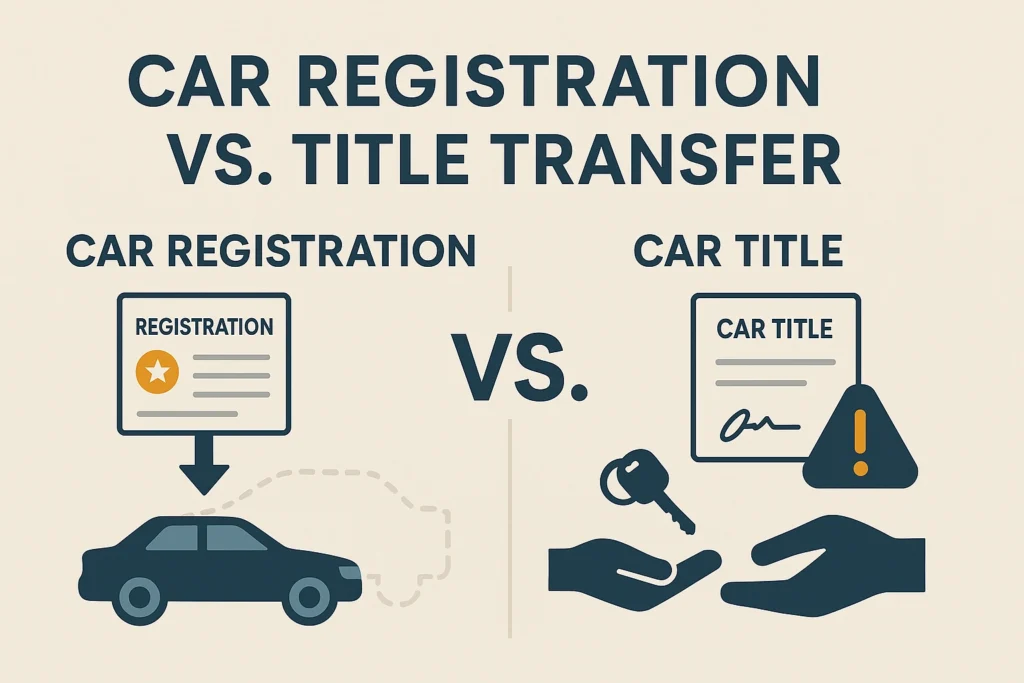
The short answer: A car title proves who owns the vehicle. A registration proves the vehicle is allowed on public roads, and it has to be renewed. They are separate documents issued by the state. When you buy a car, you transfer the title first, then register it in your name. Deadlines are set by each state, commonly 10 to 30 days. Minnesota gives the buyer 20 calendar days.
Updated November 7, 2026. Checked against Minnesota Driver and Vehicle Services, the Minnesota Statutes, and the Missouri Department of Revenue. Sources are linked at the bottom.
Key takeaways
- Title = ownership: it names the legal owner and any lender with a lien. You sign it over when you sell.
- Registration = permission to drive: it ties the car to plates and tabs and must be renewed on your state’s schedule.
- They are not the same thing: you can own a titled car that is not registered, like a project car parked in the garage.
- Title comes first: the state needs to know you own the car before it registers it to you. Most offices handle both in one visit.
- Deadlines vary by state: the states we checked today run from 10 to 30 days. Minnesota buyers get 20 calendar days to apply for the new title.
- Minnesota plates stay with the car: the plates and the registration tax already paid pass to the new owner.
What is the difference between a title and registration?
Here is the whole comparison in one table.
| Certificate of title | Vehicle registration | |
|---|---|---|
| What it proves | Who legally owns the vehicle | The vehicle is allowed on public roads |
| What you get | A paper title certificate (or an electronic record if a lender holds it) | Plates, tabs or stickers, and a registration card |
| How long it lasts | Until the car is sold or the title is replaced | Until it expires and you renew |
| When it changes | Every time ownership changes | Every renewal, and when the owner changes |
| Lien shown? | Yes, lenders are listed on the title | No |
| Keep it in the car? | No. Store it somewhere safe at home | Yes, carry the registration card |
| Needed to sell the car? | Yes, you sign it over to the buyer | No |
One way to remember it: the title is about you and the car. The registration is about the car and the road.
Is a car title and registration the same thing?
No. They are two documents with two jobs, even though the same office issues both. A registration card is not proof of ownership for a titled vehicle. If you are buying a car, the seller has to hand you the title signed over to you. A registration card alone does not transfer anything.
Minnesota’s Driver and Vehicle Services says it plainly: if a vehicle has been issued a title, the transfer must take place on the title. If the title is lost, the owner has to get a duplicate before selling.
Is a title transfer the same as registration?
No. A title transfer moves ownership from the seller to you. Registration puts the car on the road in your name. They usually happen at the same counter on the same day, and many states use one application for both, which is why people mix them up. But you can transfer a title without registering the car (for example, a car you plan to store or part out), and you cannot register a car you do not own.
Which one proves you own the car?
The title. It lists the owner’s name, the VIN, any lienholder, and brands such as salvage or rebuilt. That is why the title is the document to check before you pay for any used car. Read why a car’s title status matters before you buy anything with a branded title.
- Match the VIN: the number on the dashboard should match the number printed on the title.
- Match the name: the person selling should be the owner printed on the front.
- Check for liens: if a lender is listed, you need a lien release with the title.
Should you register a car before or after switching the title?
After, or at the same time. The state needs to see that you own the car before it registers it to you. In practice, most buyers do both in one visit: you hand in the signed title and the application, pay the title fees and tax, and walk out with the registration in your name. Here is the order.
- 1. Get the title signed over: the seller signs and prints their name, fills in the date and price, and completes the odometer and damage disclosures that apply. Here is how to sign a Minnesota title correctly.
- 2. Get insurance: you will need a policy on the car to register it and to drive it home legally.
- 3. Apply for the new title: complete the buyer section of the title and submit it with the fees and sales tax before your state’s deadline.
- 4. Register the car: get plates or transfer the existing ones, depending on your state’s plate rules.
- 5. Wait for the new title: it comes in the mail later. The registration is what you carry in the car.
Mistakes at step 1 cause most of the trouble later. Our list of common title transfer mistakes shows what to double check.
How long do you have to transfer a title and register a car?
There is no national deadline. Each state sets its own, and the ones we checked today run from 10 to 30 days. Check your own state’s motor vehicle agency before you count on extra time.
| State | Buyer’s deadline to title | If you are late |
|---|---|---|
| Minnesota | 20 calendar days after the title is assigned to you | $2 late fee, and the registration can be suspended |
| Missouri | 30 days from the date of purchase to title and pay sales tax | $25 penalty starting day 31, rising $25 every 30 days to a $200 cap |
Sellers have a clock too. In Minnesota, a private seller must report the sale to the state within ten days, unless the sale was by or to a licensed dealer. In Missouri and Illinois, see our Missouri title transfer guide and Illinois title transfer guide for the full rules.
Title and registration vs title and transfer: what is the difference?
You will see these two phrases on dealer paperwork and state forms. Both include a new title in your name. The difference is the plates.
- Title and registration: a new title plus a new registration, usually with new plates.
- Title and transfer: a new title, with existing plates moved onto the car instead of buying new ones.
Which plates can move depends on the state. In Minnesota, the plates and the registration tax already paid pass to the new owner when a car is sold (Minn. Stat. 168.301). Other states keep plates with the owner, so the seller takes them off and you move plates from a car you own or buy new ones.
What do you get when you buy a car at auction?
At an auction, the car and the title usually do not arrive together. You get the car first, and the title work happens behind the scenes. Here is how it works at Remarket Space, from our How It Works and fees pages:
- Minnesota buyers: Minnesota sales tax and DMV fees (title, transfer tax, registration tax, plate fee and the rest) are added to your total, so the title and registration are filed in your name for you.
- Out-of-state buyers and licensed dealers: you handle tax and registration in your own state.
- Insurance first: the DMV needs an insurance policy number to transfer the title to you, so you add it when you sign up.
- Title timing: title transfers typically take 8 to 12 weeks, and can take longer depending on state processing.
- Title guarantee: if your title is late, or the car has a title brand or mileage issue that was not disclosed, Remarket Space makes it right for as long as you own the car.
The full walkthrough is in title transfer after an auction. If a seller anywhere offers you a car with no title at all, read buying a car without a title in Minnesota before you hand over cash.
Minnesota title and registration: the specifics
Minnesota handles title transfers at deputy registrar offices around the state, or through a dealer. These are the numbers that matter for a buyer.
- Buyer deadline: 20 calendar days after the title is assigned to you (Minn. Stat. 168A.10, subd. 2).
- Late fee: $2 if the transfer is not submitted within 20 calendar days of the sale date, and the registration can be suspended.
- Reinstatement: if plates are suspended because the title was not filed within 30 days, there is a $10 fee to reinstate (Minn. Stat. 168.301, subd. 4).
- Seller report: private sellers report the sale within ten days.
- Plates: they stay with the car, along with credit for registration tax paid. The buyer’s right to them expires after ten days unless the transfer is filed.
- Disclosures: odometer disclosure is required for 20 years on model year 2011 and newer vehicles, and a damage disclosure is required on all vehicles.
| Minnesota title transfer fee | Amount |
|---|---|
| Title fee | $8.25 |
| Filing fee | $12 |
| Transfer tax | $10 |
| Public Safety Vehicle fee | $3.50 |
| Technology surcharge | $2.25 |
| Local office surcharge (at a deputy registrar) | $1 |
| Each lien recorded | $2 |
| Sales tax | 6.875% of the purchase price |
That is about $37 in title fees before sales tax. We break it down with examples in what a Minnesota title transfer costs. Giving a car to a relative instead? See transferring a car title to a family member in Minnesota.
Buying your next car through Remarket Space
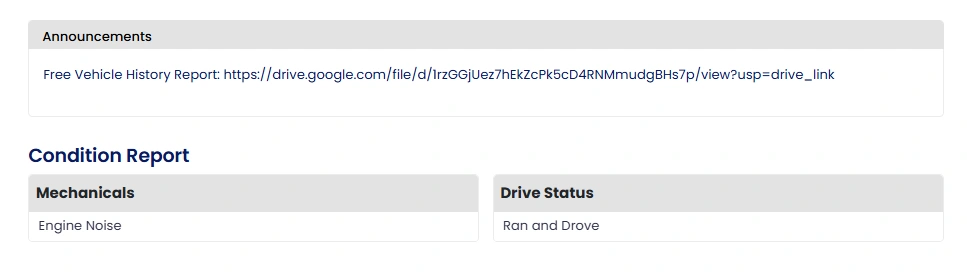
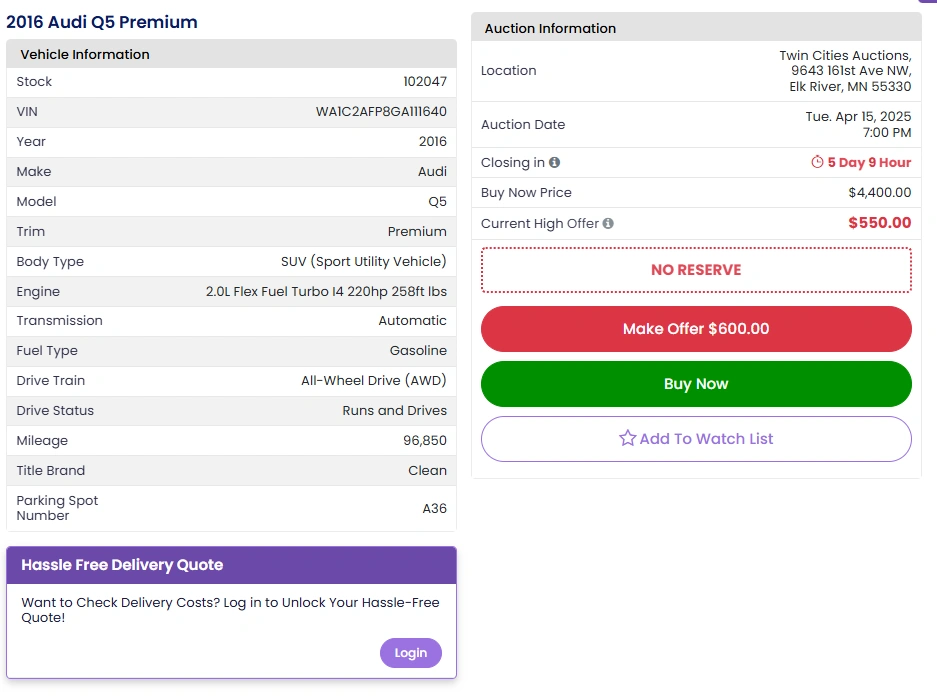
If you are reading this because you are about to buy, Remarket Space takes most of the paperwork off your plate. It is open to the public, with no dealer license or membership fee, and you can bid online or hit Buy Now. Every listing has real photos, a free Carfax, an inspection report, and your out-the-door total before you commit. Minnesota buyers get the title and registration filed for them, and every purchase comes with a title guarantee. We have cars in the Twin Cities area and the St. Louis area, with delivery quoted on each listing.
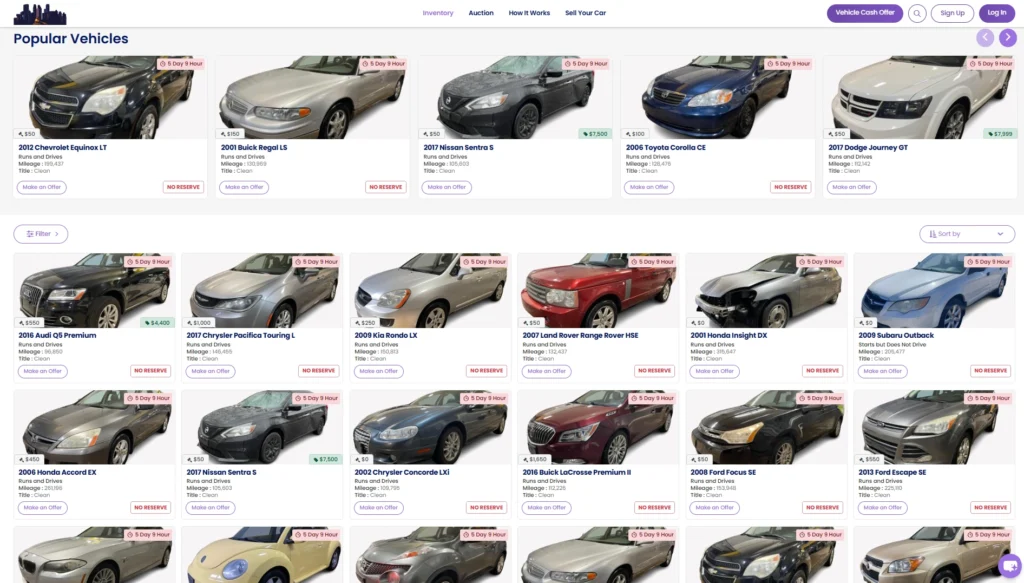
See cars up for auction now, browse Minnesota cars under $5,000, or check the buyer fees first. New to auctions? Here is how to buy a car at auction without a dealer license.
Frequently asked questions
No. The title proves who owns the vehicle and lists any lender. The registration proves the vehicle is allowed on public roads and has to be renewed. The same state office issues both, but they are separate documents with separate jobs.
The title. The state needs to see that you own the car before it registers it to you. In most states you can do both in the same visit by turning in the signed title, the application, proof of insurance, and the fees and tax.
It depends on the state. The states we checked run from 10 to 30 days. Minnesota gives the buyer 20 calendar days after the title is assigned, and Missouri gives 30 days from the purchase date before a penalty starts.
Not legally on public roads in most cases. The title shows you own the car, but you also need a valid registration, plates, and insurance to drive it. Some states offer temporary permits to get a newly bought car home.
Yes. When a car is sold in Minnesota, the plates and the credit for registration tax already paid pass to the new owner. The buyer’s right to them expires after ten days unless the title transfer is filed.
You pay a $2 late fee if the transfer is not submitted within 20 calendar days of the sale, and the state can suspend the registration. If plates are suspended for not filing within 30 days, reinstatement costs $10.
Usually not. At Remarket Space, title transfers typically take 8 to 12 weeks depending on state processing, and Minnesota buyers have the title and registration filed for them. A title guarantee covers late titles and undisclosed title issues.
Sources
- Minnesota Statutes 168A.10: Transfer of interest by owner
- Minnesota Statutes 168.301: Vehicle transfer deadline, fees, suspension
- Minnesota Driver and Vehicle Services: Vehicle fees
- Minnesota DVS: Buying or Selling a Motor Vehicle (PDF)
- Missouri Department of Revenue: Motor vehicle titling and registration
General information, not legal or tax advice. Fees and deadlines can change, so confirm with your state’s motor vehicle agency before you title or register a car.