
You won the bid, or you are about to, and now the real question hits: when do you actually get the title, and what do you have to sign? This is where most first-time auction buyers get nervous. Here is how the title transfer works after an auction, how long it takes, and what each title label on an auction listing really means.
The short answer: When you buy a car at auction, the auction reassigns the seller’s title to you once your payment clears, and your state then issues a new title in your name. Timing depends on the auction and your state. At Remarket Space you pay within 48 hours, the title typically arrives in 8 to 12 weeks, and your title is guaranteed for as long as you own the car.
Updated October 27, 2026. Checked against Minnesota Driver and Vehicle Services, the Revised Statutes of Missouri, and the Remarket Space How It Works and fee pages. Sources are linked at the bottom.
Still picking a car? Every vehicle in this week’s auction shows its title brand and out-the-door price before you bid, and Remarket Space does the title paperwork for you after you win.
Key takeaways
- Pay first: the title stays with the auction until your payment clears. At Remarket Space payment is due within 48 hours of winning.
- Title timing: plan for weeks, not days. Remarket Space titles typically take 8 to 12 weeks, and out-of-state buyers can see extra delays.
- Read the title label: clean, salvage, prior salvage, title absent, and title pending all mean different things for when and how you can register the car.
- State clocks still run: Minnesota expects the transfer within 10 days of the sale. Missouri gives 30 days, with a late penalty up to $200.
- Keep every document: the invoice or bill of sale, odometer disclosure, and any lien release are what your DMV will ask for. If the car still shows a lender, read what to check when buying a car at auction with a lien.
How does a title transfer work after you win a car at auction?
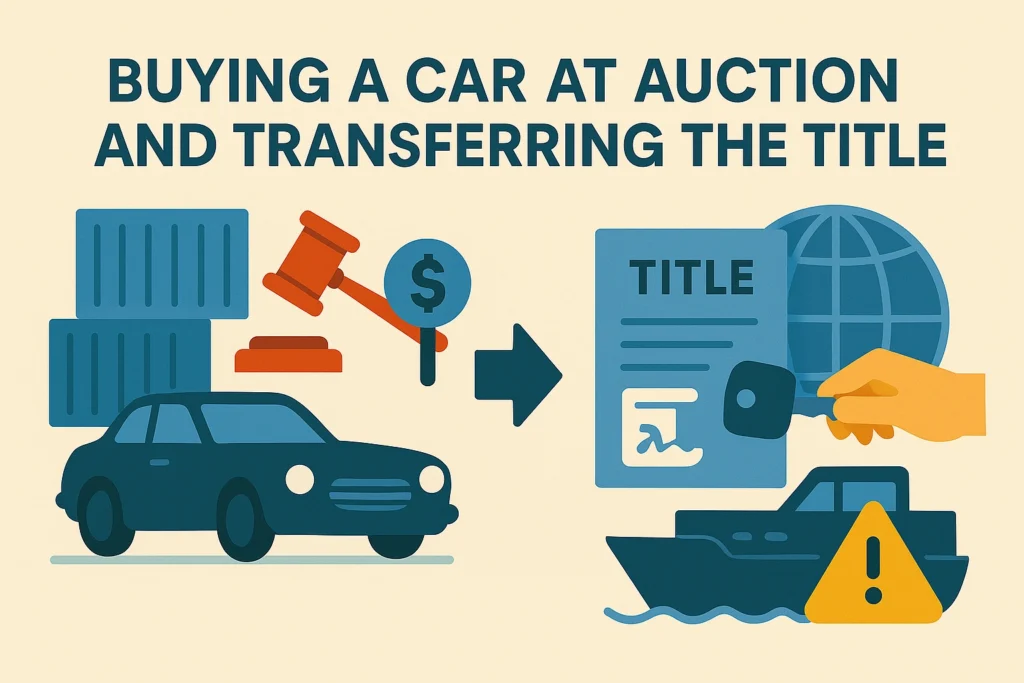
The auction sits in the middle of the sale. The seller hands the title to the auction, the auction sells the car to you, and the paperwork moves from the seller to you through the auction. Here is the typical order:
- 1. The seller turns in the title. The auction checks the VIN, the title brand, and any lien before the car is sold.
- 2. You win and get an invoice. The invoice (your bill of sale) shows the price, fees, VIN, and date of sale.
- 3. You pay. Nothing moves until the money clears. Miss the payment deadline and most auctions cancel the sale and relist the car.
- 4. The title is reassigned to you. The seller’s side of the title is signed over, the sale price and odometer reading are filled in, and your name goes in as the buyer.
- 5. Your state issues the new title. The signed title and application go to the state, which prints a title in your name and mails it.
Title and registration are two different things, and the auction usually handles only the first part. Our guide to car registration vs title transfer explains what each one does. For the full checklist from payment to delivery day, see what to do after winning a car auction.
How long does it take to get a title from an auction?
There is no single national number. It depends on whether the title is already at the auction, how fast payment clears, and how backed up your state title office is. Mailed titles also add time.
Here is what Remarket Space publishes on its How It Works page for every purchase:
| When | What happens |
|---|---|
| Right away | You get your invoice, with the same out-the-door total the listing showed |
| Within 48 hours | You pay online by credit or debit card (licensed dealers can use ACH) |
| About 48 hours after purchase | Delivery arrives, nationwide, at the quote shown on the listing |
| 8 to 12 weeks | Your title arrives, depending on state processing times |
Notice the car shows up long before the title does. That is normal for online auctions that deliver. The site also says titles can take longer than 12 weeks depending on the state, and out-of-state buyers may see additional delays. If you need the car registered by a certain date, ask before you bid, not after.
When you buy a car at auction, do you get the title?
Yes, if the car is sold with a title. You do not always get it at pickup, though. Some auctions hand over the signed title at the pay window. Many others, especially online auctions, mail it after the state processes the transfer. Either way, the title should end up in your name.
What you get right away is proof of the sale: the invoice or bill of sale, plus an odometer disclosure where required. Minnesota, for example, requires an odometer disclosure for 20 years on vehicles from model year 2011 or newer, and a damage disclosure on every vehicle, according to Minnesota Driver and Vehicle Services. Keep these papers together. They are your proof of ownership until the title arrives.
One more piece of title paperwork people miss: insurance. At Remarket Space you add your car insurance policy number when you sign up, because the DMV needs it to transfer the title into your name. A family member’s policy works too.
What do title absent, title attached, and title pending mean at an auction?
These labels tell you where the paper title is at the moment of sale. Wording varies by auction, so always read that auction’s own title policy. The general meanings:
| Label | What it usually means | What to do |
|---|---|---|
| Title attached or title present | The auction has the title in hand | Lowest risk. Expect the normal transfer timeline |
| Title absent | The seller does not have the physical title at the time of sale; it follows later | Ask how long the auction gives the seller to deliver it and what happens if it never comes |
| Title pending | Paperwork is in process, often a lien payoff or a duplicate title request after a lost or stolen title | Ask for the reason and an expected date before you schedule transport |
| Bill of sale only | No title comes with the vehicle | Usually parts or non-titled vehicles. Check your state before you buy anything you plan to drive |
Title brands are a separate question from title location. A car can be title attached and still carry a salvage brand. Our article on why car title status matters breaks down clean, salvage, and rebuilt titles.
What is an auction title?
“Auction title” is not a title brand. People use it to mean the title that comes with a car bought at auction, and that title can be clean or branded like any other. Two things on it matter:
- The brand: clean, salvage, rebuilt, junk, or bonded. The brand decides whether you can register and drive the car and how much it is worth later.
- The status at sale: attached, absent, or pending, from the table above. This decides how long you wait for the paper.
So a car bought at auction is not automatically a salvage car. Many auction cars carry clean titles. Check both lines on the listing before you bid.
Can an auction sell a car without a title?
Sometimes. A title absent sale is exactly that: the car sells before the seller’s title is in hand, and the title is supposed to follow. Some vehicles also sell on a bill of sale only, usually for parts or for vehicle types a state does not title.
The risk is on you until that title shows up. You can own a car on paper and still be unable to register it. Before you bid on anything without a title in hand, find out how long the auction gives the seller, whether you can cancel if it never arrives, and what your state requires to title the car. If you are in Minnesota, our guide to buying a car without a title in Minnesota covers the rules there.
Who signs what in an auction title transfer?
Each side has a job. Using the Minnesota rules as an example, from the Minnesota DVS buying or selling a vehicle guide:
- Seller: prints and signs in the assignment area of the title, lists the sale price, enters the date of sale, and completes the required disclosures.
- Auction: collects the title, confirms any lien is released, and completes the reassignment to you as the buyer.
- Buyer: completes the buyer and application sections with your full name, date of birth, residential address, and signature, and says whether there is a loan on the car.
- Lienholder: if a lien is listed on the title, a lien release card or notarized lien release has to go with the transfer.
Every state words its title a little differently, and a mistake in the wrong box can mean a rejected application. See how to sign a car title in Minnesota and the most common title transfer mistakes before you put pen to paper.
How long do you have to title a car after buying it at auction?
Your state’s clock usually starts on the date of sale, even if the auction is still holding the title. Two examples from our markets:
| State | Deadline | Late penalty |
|---|---|---|
| Minnesota | Within 10 days of the date of sale | Ask your deputy registrar |
| Missouri | Within 30 days of buying, or 30 days after you receive the title in certain dealer sales | $25 per 30 days late, up to $200 |
If the title is coming later, call your DMV or license office early and explain the situation. Keep your invoice and payment proof handy so you can show when you bought the car. For the details in each state, read our Missouri title transfer guide, our guide to titling an out-of-state car in Missouri, and our breakdown of Minnesota title transfer costs.
What does the Remarket Space title guarantee cover?
At Remarket Space, your title is guaranteed for as long as you own the car, according to the How It Works page. That coverage is separate from the 3-Day Major Mechanical Guarantee, which covers undisclosed engine, transmission, frame, or flood damage reported within 72 hours of delivery. The guarantee page says title and mileage problems have their own coverage, and buyers should email support@remarketspace.com to find out how it applies to their car.
The practical takeaway: if something is wrong with the title on a car you bought from us, you are not stuck with it. Reach out, and keep your invoice and delivery paperwork.
What changes with salvage or rebuilt titles at auction?
A branded title transfers the same way, but the brand follows the car. A salvage title usually means the car cannot be registered for the road until it is repaired and passes the state’s inspection. A rebuilt or prior salvage title can be registered, but resale value and insurance options are usually lower.
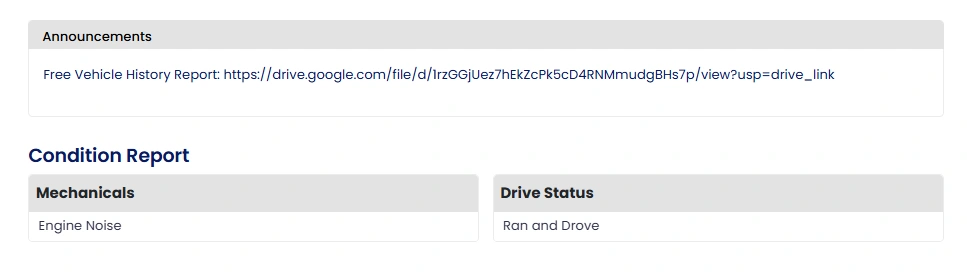
On Remarket Space, every listing shows the title brand, such as Clean title or Prior salvage, next to the inspection report and a free vehicle history report. Read it before you bid. Our guide to salvage titles in Minnesota explains the inspection process if you plan to rebuild one.
What fees come with the title transfer?
Two layers: what the auction charges and what the state charges. At Remarket Space, the administrative fee covers title work and transaction processing on every purchase, per the buyer premium and fees page. Buyers registering in Minnesota also pay 6.875% Minnesota sales tax and Minnesota DMV fees at checkout. Licensed dealers and out-of-state buyers do not pay Minnesota DMV fees there.
Every listing shows your out-the-door total before you bid. For how the buyer premium works across auctions, see our explainer on the car auction buyer premium.
Buying your next car at auction?
Remarket Space is an online car marketplace open to the public. You do not need a dealer license. Every car is inspected, the listing shows the title brand, real photos, and the out-the-door price, and you can Buy Now or bid live. You pay by card within 48 hours, delivery is nationwide, and your title is guaranteed for as long as you own the car, so the paperwork worry in this article is handled for you.
See cars up for auction now, read how buying works, and check the buyer fees up front. You can also browse used SUVs, used sedans, and cars under $5,000. Those cars sit in Minnesota and ship to you with a quote. Once you win, our guide to getting your car home after the auction covers the next step, and transferring a title to a family member helps if the car is a gift.
Frequently asked questions
It depends on the auction and your state. Some auctions hand you the signed title at payment, while online auctions usually mail it after the state processes the transfer. At Remarket Space, titles typically arrive in 8 to 12 weeks and can take longer depending on state processing.
Yes, when the car is sold with a title. You may not get it at pickup. The auction reassigns the title after your payment clears, and your state issues a new title in your name. Until then, your invoice or bill of sale is your proof of purchase.
Title absent means the seller did not have the physical title at the time of sale, and it is supposed to follow later. Ask the auction how long the seller has to deliver it and whether you can cancel the sale if the title never arrives.
Sometimes. Auctions can sell title absent vehicles, where the title follows later, and some vehicles sell on a bill of sale only, usually for parts. Until you have a title, you may not be able to register the car, so confirm your state rules before bidding.
Expect an invoice or bill of sale, an odometer disclosure where required, and the reassigned title or a title issued in your name. If the title showed a lien, you also need a lien release. Keep everything together until your registration is done.
It depends on your state. Minnesota expects the transfer within 10 days of the sale. Missouri gives 30 days and charges $25 for each 30 days late, up to $200. In certain Missouri dealer sales, the 30 days start when you receive the title.
Auction title is not a title brand. It usually means the title that comes with a car bought at auction. That title can be clean, salvage, rebuilt, junk, or bonded, so read the brand and whether the title is attached, absent, or pending before you bid.
Sources
- Minnesota: Minnesota DVS, Buying or Selling a Motor Vehicle
- Missouri: Revised Statutes of Missouri 301.190, title application deadline and penalty
- Auction terms: ACV Auctions glossary, title absent
- Title brands: ACV Auctions, a guide to used vehicle titles
- Remarket Space timeline: How It Works
- Remarket Space fees: Buyer premium and fees
- Remarket Space guarantee: 3-Day Major Mechanical Guarantee
This guide is general information, not legal or tax advice. Title rules and fees change, so confirm with your state DMV before you buy.