








Defining the Core: Why Less is More
In today’s hyper-connected world, we are constantly barraged with information. Every scroll, click, and notification adds another layer to an already overwhelming digital landscape. This deluge of data has given rise to what can be described as the paradox of abundance: despite having access to more information than ever before, our ability to truly absorb and retain it seems to diminish. For content creators, this presents a significant challenge. How do you stand out when everyone is shouting? How do you make an impact when attention spans are fleeting?

A. The Paradox of Abundance
The sheer volume of content available across countless platforms means that users are experiencing severe information overload. This isn’t just about passive consumption; it actively impacts how content is received. When faced with too many options, individuals often become paralyzed, leading to decision fatigue or simply tuning out entirely. The result? A diminished impact for even well-crafted messages, as they struggle to cut through the noise and capture audience attention.
This overload isn’t just a nuisance; it’s a fundamental shift in how we engage with digital material. Our brains are hardwired to seek efficiency, and when forced to process too much, they tend to disengage. Therefore, the traditional “more is better” approach to content creation is no longer effective; in fact, it’s counterproductive.
B. Minimalism as a Strategic Imperative
Enter strategic minimalism in content creation. This approach isn’t about creating less content, but rather creating more impactful content by focusing on clarity over complexity. It’s a deliberate choice to distill your message down to its purest, most essential form, ensuring that every word, image, and interaction serves a specific purpose. This leads to targeted engagement, where your content resonates deeply with your intended audience because it directly addresses their needs without unnecessary fluff.

By embracing minimalism, content creators can achieve several key advantages:
- Enhanced Clarity: Stripping away extraneous details allows your core message to shine, making it easier for the audience to understand and retain.
- Increased Impact: A focused message is a powerful message. It captures attention more effectively and leaves a lasting impression.
- Better Engagement: When content is concise and relevant, audiences are more likely to interact with it, share it, and take the desired action.
C. Identifying Your “Core” Message
The foundation of strategic minimalism lies in identifying your “core” message. This isn’t just a slogan; it’s the singular, most important takeaway you want your audience to grasp. To unearth this core, an audience-centric focus is paramount. You must deeply understand who you’re speaking to, what their challenges are, and what solutions they seek. What specific problems does your product or service solve? What value do you truly offer?
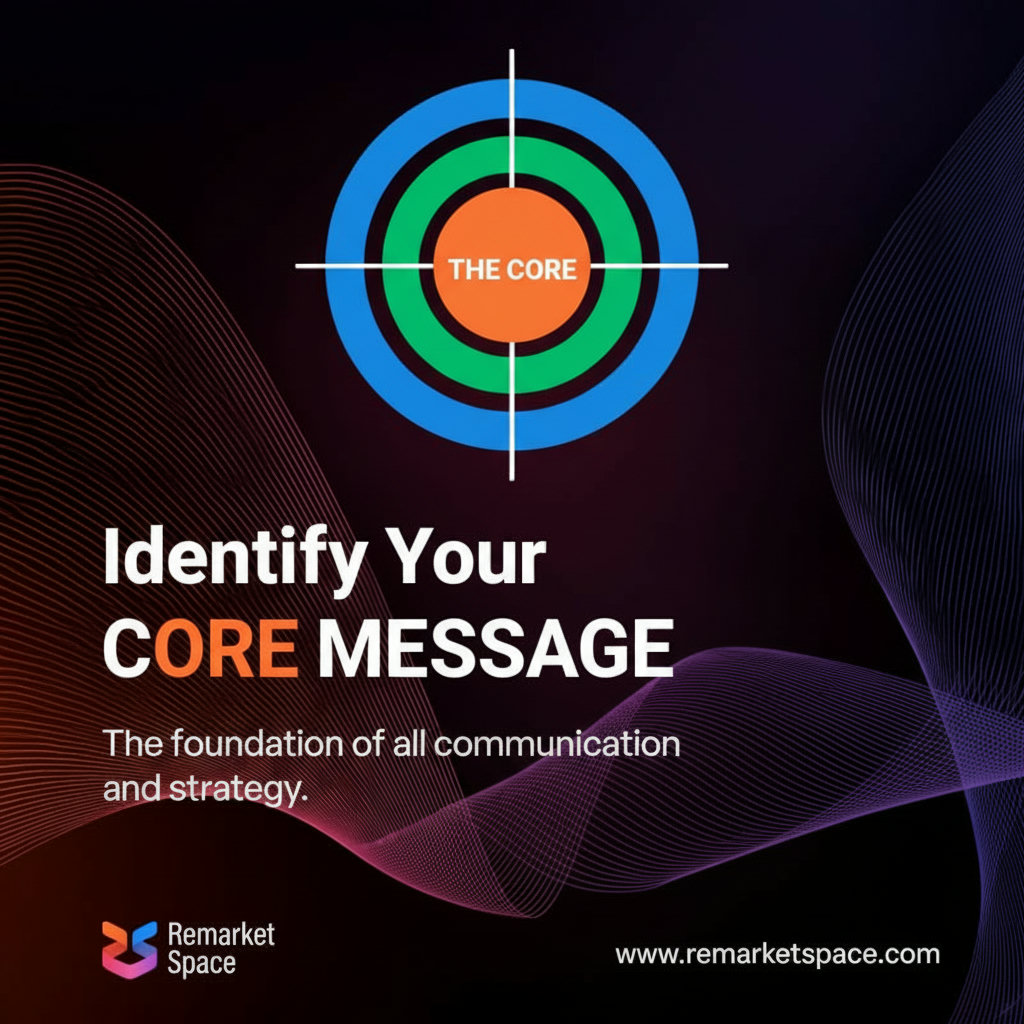
Once you understand your audience, you can then articulate your unique value proposition. What makes you different? Why should someone choose you over a competitor? This value proposition should be clearly and concisely expressed, forming the bedrock of all your minimalist content efforts. It’s the North Star that guides every piece of communication, ensuring consistency and relevance across all platforms.
II. Deconstructing the Content Landscape
Before you can craft minimalist narratives, you need to thoroughly understand the environment in which your content will operate. This involves not only looking inward at your own offerings but also outward at your audience and competitors. A strategic deconstruction of the content landscape provides the insights necessary to create truly impactful and resonant material.
A. Audience-First Perspective
Effective minimalist content begins and ends with the audience. You must move beyond superficial demographics and delve into their psyche. What are their deepest pain points, challenges, and frustrations? Conversely, what are their desires, aspirations, and unmet needs? Understanding these emotional drivers is crucial for crafting messages that truly connect.
Furthermore, analyze their information consumption habits. Do they prefer short-form video, detailed blog posts, or interactive infographics? Are they active on social media, or do they seek out niche forums? Knowing where and how they consume information allows you to tailor your content format and distribution strategy for maximum impact. A comprehensive understanding of your audience is the cornerstone of creating content that truly resonates.
B. Competitor Content Analysis
To differentiate yourself, you must first understand what your competitors are doing. A thorough competitor content analysis will reveal their strengths, weaknesses, and, most importantly, gaps and opportunities in the market. Where are they excelling? Where are they falling short? Are there crucial topics they are neglecting, or perspectives they are missing?
By identifying these areas, you can strategically position your minimalist content to fill those voids or offer a superior, more concise perspective. This analysis helps you pinpoint your differentiation points—what makes your brand or message distinct and more appealing. For instance, if competitors are producing lengthy, technical articles, your opportunity might be to offer simple, actionable guides using visual storytelling. You can gain valuable insights into effective content strategies by examining industry leaders like HubSpot, which often employs a minimalist approach to complex topics. Learning from these examples can help sharpen your own content strategy.
C. Platform-Specific Optimization
Minimalism doesn’t mean a one-size-fits-all approach. Content must exhibit format adaptability, meaning it can be easily adjusted and optimized for different platforms while retaining its core message. A compelling tweet will look very different from an engaging LinkedIn post, or a visually rich Instagram story, even if they convey the same core idea.
Consider the nuances of various distribution channels. Each platform has its own unwritten rules, audience expectations, and optimal content formats. What works well on TikTok for a younger demographic may not perform on a professional blog targeting industry experts. By understanding these distinctions, you can ensure your minimalist content is not only concise but also perfectly tailored for its intended environment, maximizing organic reach and engagement. For example, a crisp, value-driven LinkedIn post might include a link to a more detailed resource, creating a hierarchical approach to information delivery. For more insights on digital marketing trends and platform-specific content, publications like Social Media Examiner offer valuable resources.
III. Crafting Minimalist Narratives
With a deep understanding of your core message and the content landscape, the next step is to actually craft narratives that embody strategic minimalism. This involves a deliberate choice of language, visual elements, and calls to action.
A. The Power of Brevity
At the heart of minimalist content is the power of brevity. This is not merely about making things short, but about being incredibly efficient with every word. It demands concise language, where each sentence conveys maximum meaning without unnecessary jargon or filler. Focus on direct communication—getting straight to the point without meandering introductions or conclusions.
Ask yourself: Can this be said in fewer words? Can this sentence be stronger? Edit ruthlessly, removing anything that doesn’t directly contribute to the core message or user experience. The goal is clarity and impact, ensuring that your audience grasps the essential information quickly and effortlessly. This disciplined approach builds trust and positions your content as a valuable resource, not another source of noise.
B. Visual & Immersive Storytelling
In a world of diminishing attention spans, visuals are no longer supplementary; they are central to minimalist storytelling. Strategic imagery, high-quality photographs, and engaging illustrations can convey complex ideas in an instant, often more effectively than blocks of text. These visuals should be carefully chosen to reinforce your message, evoke emotion, and guide the viewer’s eye.
Furthermore, infographics & data visualization play a crucial role in breaking down complicated data into digestible, compelling formats. Instead of dense paragraphs of statistics, a well-designed infographic can present key insights at a glance, making information accessible and memorable. Interactive elements, when used sparingly and effectively, can also immerse the audience, turning passive consumption into active engagement without overwhelming them.
C. Call to Action Precision
Even the most beautifully minimalist content is incomplete without a clear, precise call to action (CTA). Your CTA should leave no doubt for the audience about the next step you want them to take. Use strong, action-oriented verbs and keep the message simple and direct. Avoid ambiguity or offering too many choices, which can lead to decision paralysis.
Crucially, ensure there are frictionless conversion paths. If your content aims to drive a sign-up, make the sign-up form easily accessible and quick to complete. If it’s a purchase, streamline the checkout process. Every barrier, no matter how small, can detract from your minimalist approach and lead to abandonment. A precise CTA is the culmination of your minimalist efforts, guiding the audience seamlessly toward the desired outcome.
IV. Measuring Impact, Refining Strategy
Crafting minimalist narratives is an ongoing process, not a one-time effort. To truly master the art of strategic minimalism, you must continually measure the impact of your content and refine your strategy based on tangible data and user feedback.
A. Key Performance Indicators (KPIs)
To understand if your minimalist content is working, you need to define and track relevant Key Performance Indicators (KPIs). These metrics provide objective insights into your content’s effectiveness. Focus on engagement metrics such as:
- Time on page
- Scroll depth
- Social shares and comments
- Click-through rates (CTR) on internal and external links
Equally important are conversion rates. Are people signing up for your newsletter, downloading your e-book, making a purchase, or taking the desired action outlined in your CTA? By analyzing these KPIs, you can pinpoint what’s working well and what needs adjustment, ensuring your minimalist efforts translate into measurable business outcomes.
B. User Feedback Loops
While quantitative data is crucial, qualitative insights from user feedback loops provide invaluable context. Actively solicit feedback through surveys & polls embedded within your content or via social media. Ask specific questions about clarity, usefulness, and overall experience. What did they find most helpful? What was confusing or missing?
Beyond formal feedback, conduct direct interaction analysis. Monitor comments, forum discussions, and customer service inquiries related to your content. These interactions can reveal common pain points, questions, or perceptions that your minimalist content might not yet be addressing adequately. Leveraging both direct and indirect feedback allows for a holistic understanding of how your audience perceives and interacts with your carefully curated messages.
C. Iterative Optimization
Armed with data and feedback, the final stage is iterative optimization. Content creation is not a static process; it’s a living entity that requires constant care and adjustment. Employ A/B testing for different headlines, call-to-action buttons, visual styles, or even subtle variations in wording to see what performs best. Small changes can often lead to significant improvements in engagement and conversion.
Furthermore, implement regular content refresh cycles. Outdated information can quickly diminish the value of even the most minimalist content. Review and update your existing pieces periodically to ensure accuracy, relevance, and continued alignment with your audience’s evolving needs and your brand’s messaging. This continuous cycle of creation, measurement, feedback, and refinement ensures that your strategic minimalism remains sharp, impactful, and consistently resonant with your target audience.