








“`html
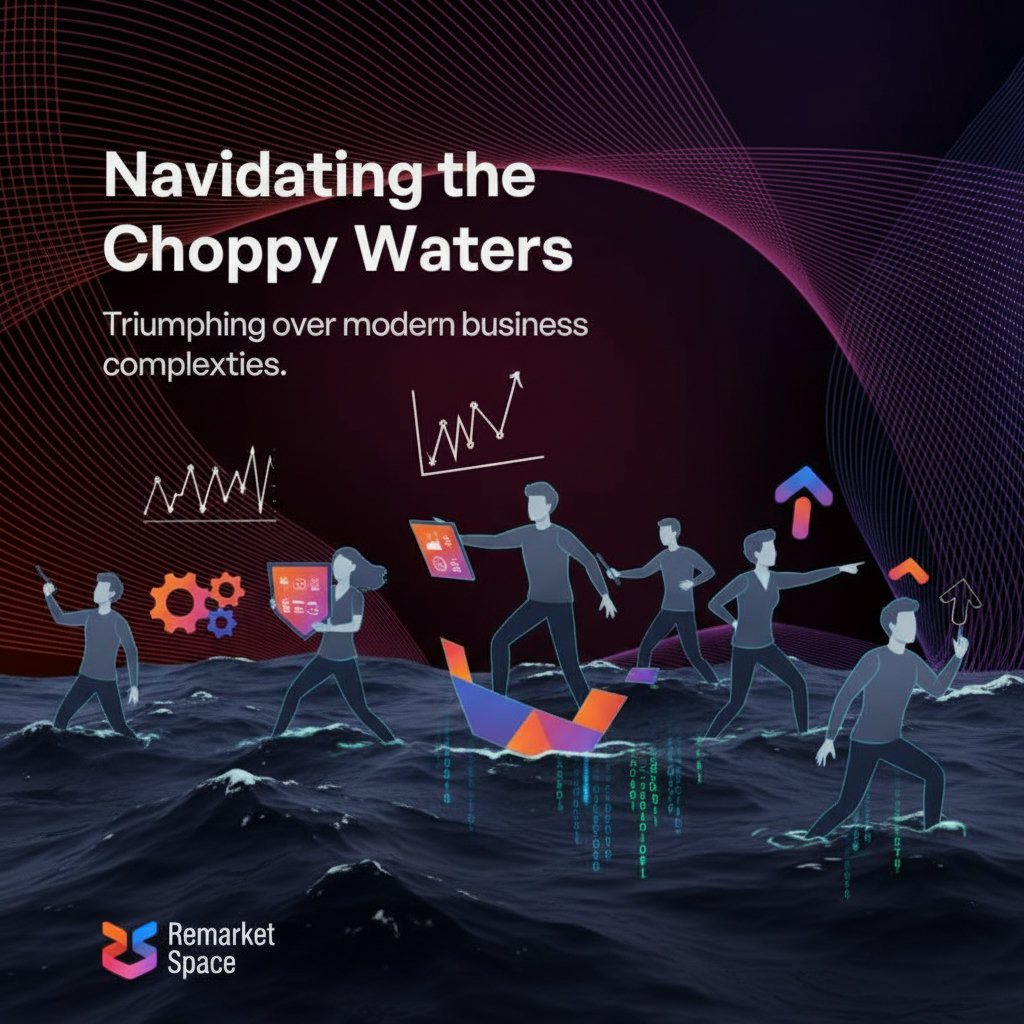
Navigating the choppy waters of today’s business world demands more than just a good product or service. It requires foresight, adaptability, and unwavering commitment to growth that can withstand constant change. For those operating in competitive markets, from tech startups to automotive re-sellers exploring options like iaai mn for inventory, understanding and implementing strategies for sustainable growth is paramount. This isn’t about fleeting success; it’s about building a robust foundation that can evolve and thrive for decades to come.
Deconstructing the Modern Business Landscape
The business environment of the 21st century is characterized by a relentless pace of change, making yesterday’s winning strategies quickly obsolete. Businesses, regardless of their size or sector, must acknowledge these pervasive forces to effectively chart a path forward.
Market Volatility & Shifting Consumer Behavior
Economic unpredictability has become the norm, with recessions, supply chain disruptions, and fluctuating consumer confidence creating a challenging backdrop for financial planning. This volatility often goes hand-in-hand with rapidly evolving customer expectations. Consumers today are more informed, more connected, and less loyal than ever before. Their preferences shift based on social trends, ethical considerations, and, increasingly, personalized experiences. Businesses must be acutely aware of these shifts, from the general retail sector to niche markets like the public auto auction space, where buyer demands for specific vehicle types or conditions can change rapidly.
Technological Disruption & Competitive Pressures
Few industries are immune to the transformative power of emerging technology. From artificial intelligence and blockchain to advanced analytics and automation, new technologies are constantly reshaping traditional business models. Adopting these tools can unlock new efficiencies and open up new markets. However, this same innovation fuels aggressive market entry from competitors who leverage these advancements to gain an edge. The digital landscape compresses geographical barriers, meaning a small local business can suddenly face competition from global players, requiring constant vigilance and innovation.
The Imperative for Resilience
In such a dynamic environment, resilience isn’t just a desirable trait; it’s a fundamental requirement for survival. Adaptability must be ingrained into a company’s DNA, allowing it to pivot quickly in response to unforeseen challenges or opportunities. This means fostering a culture that embraces change, learns from failures, and is always looking for ways to improve. The ultimate goal is long-term viability, ensuring that the business can not only weather storms but emerge stronger, continuing to create value for its stakeholders over extended periods.
Cultivating a Future-Proof Core
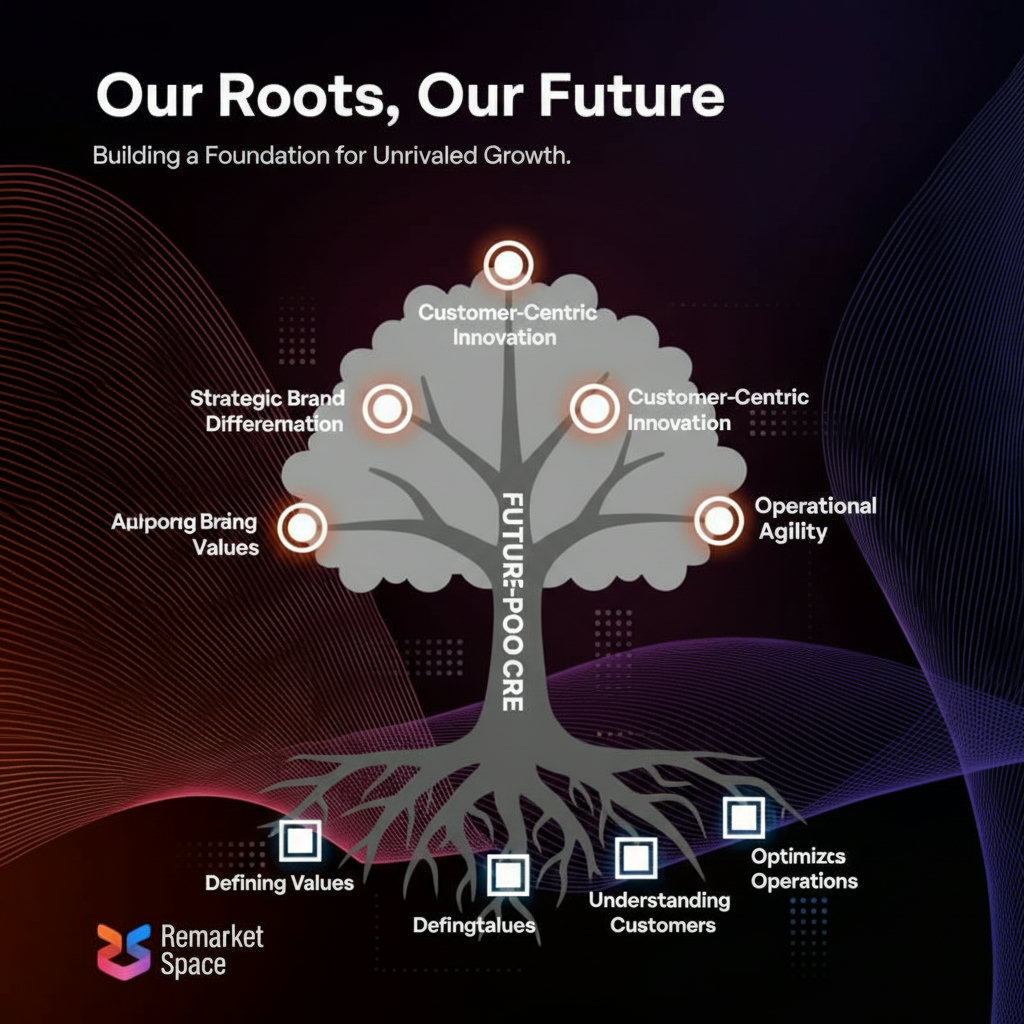
Sustainable growth isn’t accidental; it’s the result of deliberate strategic choices that build an unshakeable core. This involves sharpening your unique value, deeply understanding your customers, and optimizing your operations.
Strategic Brand Differentiation
In a crowded marketplace, standing out is critical. Defining your unique value proposition clarifies what makes your business distinct and why customers should choose you over competitors. This isn’t just about features or pricing; it’s about the unique benefits you offer. Once defined, an authentic brand narrative weaves this value into a compelling story that resonates with your target audience. Whether you’re a luxury brand or a supplier of affordable used vehicles in iaai mn, your narrative should communicate your purpose, values, and pledge to your customers, forging an emotional connection that transcends mere transactions.
Customer-Centric Innovation
Truly sustainable growth is fueled by continuous innovation that puts the customer at its heart. Implementing continuous feedback loops—through surveys, social media listening, direct engagement, and analytics—ensures that product and service development is always aligned with evolving customer needs and desires. This data-driven approach allows for agile product development, where new offerings or improvements are rolled out incrementally, tested, and refined based on real-world usage and feedback. This minimizes risk and maximizes the relevance of your innovations, ensuring you’re always delivering what your market truly values.
Operational Agility & Efficiency
Underpinning strategic growth are lean and responsive operations. Streamlined processes eliminate waste, reduce costs, and accelerate delivery times, allowing businesses to respond more rapidly to market shifts. This focus on efficiency extends to resource optimization, ensuring that every asset, from human capital to technology to physical inventory, is utilized to its fullest potential. By continuously seeking to improve operational workflows, businesses can enhance their competitiveness, boost profit margins, and free up resources for strategic investments in growth areas.
Harnessing Data for Intelligent Decisions
In the digital age, data is the new currency. Businesses that effectively collect, interpret, and act upon data are better positioned for sustainable growth, making informed decisions rather than relying on intuition alone.

Data Collection & Interpretation
The first step is identifying the relevant metrics that truly reflect business performance and customer behavior. This goes beyond vanity metrics to focus on key indicators that drive growth and profitability. Once collected, raw data must be thoughtfully interpreted to extract actionable insights. This often requires skilled analysts or sophisticated analytical tools that can reveal patterns, correlations, and opportunities hidden within vast datasets. Understanding these insights allows businesses to see not just what happened, but why, informing strategic adjustments.
Predictive Analytics & Trend Forecasting
Moving beyond historical analysis, predictive analytics enables businesses to anticipate market shifts before they fully materialize. By analyzing past data, current trends, and external factors, businesses can forecast future demand, identify emerging competitor threats, and spot new opportunities. This foresight facilitates proactive strategy adjustment, allowing companies to reallocate resources, redesign products, or launch new marketing campaigns in anticipation of future conditions. For example, understanding seasonal buying patterns at a used car auction like iaai mn could inform inventory acquisition strategies well in advance.
Performance Measurement & Iteration
No strategy is perfect from the outset. Sustainable growth requires rigorous key performance indicator (KPI) tracking to measure the effectiveness of implemented strategies. Regular reviews of financial results, customer satisfaction scores, market share, and operational efficiencies provide objective evidence of progress or areas needing improvement. This commitment to continuous improvement cycles means that strategies are never static; they are constantly evaluated, refined, and adapted based on performance data, driving an iterative process of learning and optimization.
Building Resilient Team & Culture
Ultimately, a business is only as strong as its people. Sustainable growth depends on a workforce that is engaged, adaptable, and guided by strong leadership.
Empowering Employee Engagement
An engaged workforce is a productive workforce. Empowering autonomy—giving employees ownership over their work and decision-making—fosters a sense of responsibility and innovation. Valuing contribution ensures that employees feel their efforts are recognized and that their voices are heard, leading to higher morale and reduced turnover. When employees feel connected to the company’s mission and purpose, they are more likely to go the extra mile, directly contributing to sustainable success.
Promoting Adaptability & Learning
In a world of constant change, a growth mindset is essential. Encouraging employees to embrace challenges, learn new skills, and view failures as learning opportunities cultivates an adaptable team. Investing in skill development initiatives, such as training programs, workshops, and mentorship, ensures that the workforce remains agile and equipped to handle future demands. This continuous learning culture empowers individuals and strengthens the collective capabilities of the organization.
Leadership in Times of Change
Effective leadership is crucial when navigating uncertainty. Visionary guidance provides a clear direction and purpose, even when the path ahead is unclear. Leaders must articulate a compelling vision for the future, inspiring confidence and rallying the team around shared goals. Equally important is transparent communication, which builds trust and ensures that employees are informed about challenges, successes, and strategic adjustments. This open dialogue fosters a sense of unity and resilience throughout the organization.
Charting a Course for Enduring Success
Sustainable growth is not a destination but a continuous journey. By maintaining a clear vision, adhering to ethical principles, and committing to ongoing evaluation, businesses can ensure their success endures.
Strategic Vision & Long-Term Planning
Defining future objectives provides a compass for all business activities. This involves setting ambitious yet realistic goals that extend beyond immediate quarterly targets, looking several years ahead. Based on these objectives, roadmap development outlines the specific steps, resources, and timelines required to achieve them. This long-term perspective enables proactive decision-making, strategic investments, and consistent progress toward the ultimate vision for enduring success.
Sustainable Practices & Ethical Imperatives
Today’s businesses operate within a larger societal context, and sustainable growth increasingly depends on adhering to Environmental, Social, and Governance (ESG) principles. This means considering the environmental impact of operations, fostering a positive social impact, and maintaining strong corporate governance. Integrating ethical decision-making into every aspect of the business builds trust with customers, investors, and employees. For example, adopting eco-friendly practices throughout the supply chain, whether selling new cars or preparing inventory sourced from iaai mn, can be a significant differentiator and driver of long-term value.
Continuous Optimization & Re-evaluation
The journey to sustainable growth requires constant vigilance. Regular market posture assessment helps businesses understand their competitive position, identify emerging threats, and uncover new opportunities. This critical self-analysis must include the possibility of strategic pivot if market conditions or internal capabilities dictate a change in direction. By remaining agile and willing to adapt, even major strategic initiatives, businesses can ensure they remain relevant, competitive, and poised for growth far into the future.
FAQ
What is sustainable business growth?
Sustainable business growth refers to the ability of a business to increase its revenue, market share, and profitability over the long term, without negatively impacting its resources, employees, or the environment. It focuses on resilience, adaptability, and ethical practices to ensure viability for future generations.
Why is adaptability crucial for businesses today?
Adaptability is crucial because the modern business landscape is characterized by rapid technological advancements, economic volatility, and shifting consumer behaviors. Businesses that can quickly adjust their strategies, products, and operations in response to these changes are more likely to survive and thrive.
How can data analytics contribute to sustainable growth?
Data analytics contributes to sustainable growth by providing actionable insights into market trends, customer behavior, and operational efficiency. It enables businesses to make informed decisions, anticipate future shifts, optimize resource allocation, and continuously improve their strategies for better long-term outcomes.
What role does employee engagement play in a company’s long-term success?
Employee engagement plays a vital role in long-term success by fostering a productive, innovative, and resilient workforce. Engaged employees are more committed to their work, contribute more effectively, and are more likely to stay with the company, reducing turnover costs and preserving institutional knowledge.
What are ESG principles, and why are they important for sustainable growth?
ESG stands for Environmental, Social, and Governance. These principles are important because they encourage businesses to consider their impact beyond just profit, addressing environmental stewardship, social responsibility, and ethical leadership. Adhering to ESG principles enhances reputation, attracts socially conscious investors, mitigates risks, and builds stronger relationships with stakeholders, all contributing to sustainable growth.
How can a business identify its unique value proposition?
A business can identify its unique value proposition by thoroughly analyzing its target market’s needs, assessing competitor offerings, and evaluating its own core competencies and strengths. It involves articulating what distinct benefits or solutions the business provides that competitors do not, or cannot provide as effectively, creating a clear reason for customers to choose it.
“`