








Defining Minimalism
Minimalism, at its core, is a philosophy that encourages individuals to live with less. It’s about consciously choosing to remove excess from one’s life to make room for what truly matters. Far from being a rigid set of rules, it’s a flexible framework that adapts to personal values and goals. The journey to minimalism isn’t about deprivation but rather about intentionality—understanding that true richness comes from purpose, not possessions.
More Than Just Aesthetics
When many people think of minimalism, stark white rooms and empty spaces often come to mind. While a minimalist aesthetic is certainly a popular expression of the lifestyle, it’s crucial to understand that minimalism
transcends mere visual appeal. It’s a deeply personal and practical approach
to living.
-
Core principles: At its heart, minimalism emphasizes intention,
purpose, and value. It challenges us to question the role of our
possessions, commitments, and even thoughts in our lives. The core
principles revolve around prioritizing experiences over material goods,
focusing on quality over quantity, and decluttering not just physical
spaces, but mental and emotional ones as well. It’s about stripping
away the superfluous to reveal the essential. -
Beyond decluttering: While decluttering is often the entry
point for many into minimalism, it is merely the first step. True
minimalism extends far beyond simply getting rid of unwanted items. It
involves a continuous process of evaluating what we allow into our
lives—be it physical objects, digital distractions, emotional baggage,
or even social obligations. It’s about creating space—physical, mental,
and temporal—for greater presence, mindfulness, and joy.
Benefits of a Minimalist Lifestyle
Embracing minimalism offers a cascade of tangible and intangible benefits,
transforming not only our living spaces but also our inner landscape.
-
Mental clarity: A cluttered environment often reflects, and
contributes to, a cluttered mind. By simplifying our surroundings, we
reduce visual noise and decision fatigue. This reduction in sensory
overload fosters greater focus, peace, and mental clarity. It allows us
to concentrate on what’s truly important, reducing stress and anxiety
associated with endless choices and constant distractions. -
Financial freedom: One of the most immediate and impactful
benefits of minimalism is the positive effect on one’s finances. By
adopting a “less is more” philosophy, we naturally reduce unnecessary
spending. This shift from impulsive consumption to thoughtful purchases
allows for increased savings, reduced debt, and greater financial
security. The focus shifts from acquiring more to maximizing the value
of what one already owns, leading to a more intentional and sustainable
approach to money. -
Environmental impact: Minimalism inherently promotes a more
sustainable way of living. By buying less, we reduce demand for new
products, which in turn lessens the burden on natural resources and
reduces waste. Minimalists often gravitate towards durable,
high-quality items that last longer, further minimizing their
environmental footprint. This conscious consumption contributes
directly to a healthier planet, aligning personal choices with global
ecological well-being. According to the
Environmental Protection Agency (EPA),
reducing, reusing, and recycling significantly impacts energy
consumption and greenhouse gas emissions.
Decluttering Your Space
The physical act of decluttering is often the first, and most visible, step
in adopting a minimalist lifestyle. It’s a process of sifting through your
possessions, confronting your relationship with them, and making intentional
decisions about what to keep, what to discard, and what truly serves your life’s purpose.
The KonMari Method & Beyond
Marie Kondo’s revolutionary KonMari Method brought decluttering to the
mainstream, but her principles can be a springboard for deeper self-reflection.
-
Evaluative questions: The cornerstone of the KonMari Method is
the question, “Does this spark joy?” While seemingly simple, this
question encourages a profound emotional evaluation of our belongings.
Beyond joy, consider asking: “Do I use this regularly?”, “Does this add
value to my life?”, “Do I truly need this, or am I holding onto it for
sentimental reasons that no longer serve me?” These questions help
distinguish between genuine utility or joy and mere accumulation. -
Category-based approach: Instead of decluttering room by room,
the KonMari Method advocates for a category-based approach: clothes,
books, papers, komono (miscellany), and sentimental items. Tackling
categories encourages a thorough assessment and prevents items from
being simply shuffled from one space to another. This strategic method
ensures that every item within a category is evaluated in relation to
all others, leading to more decisive and lasting decluttering.
Practical Decluttering Strategies
While the KonMari method provides a philosophical framework, practical
strategies are essential for maintaining momentum and preventing re-cluttering.
-
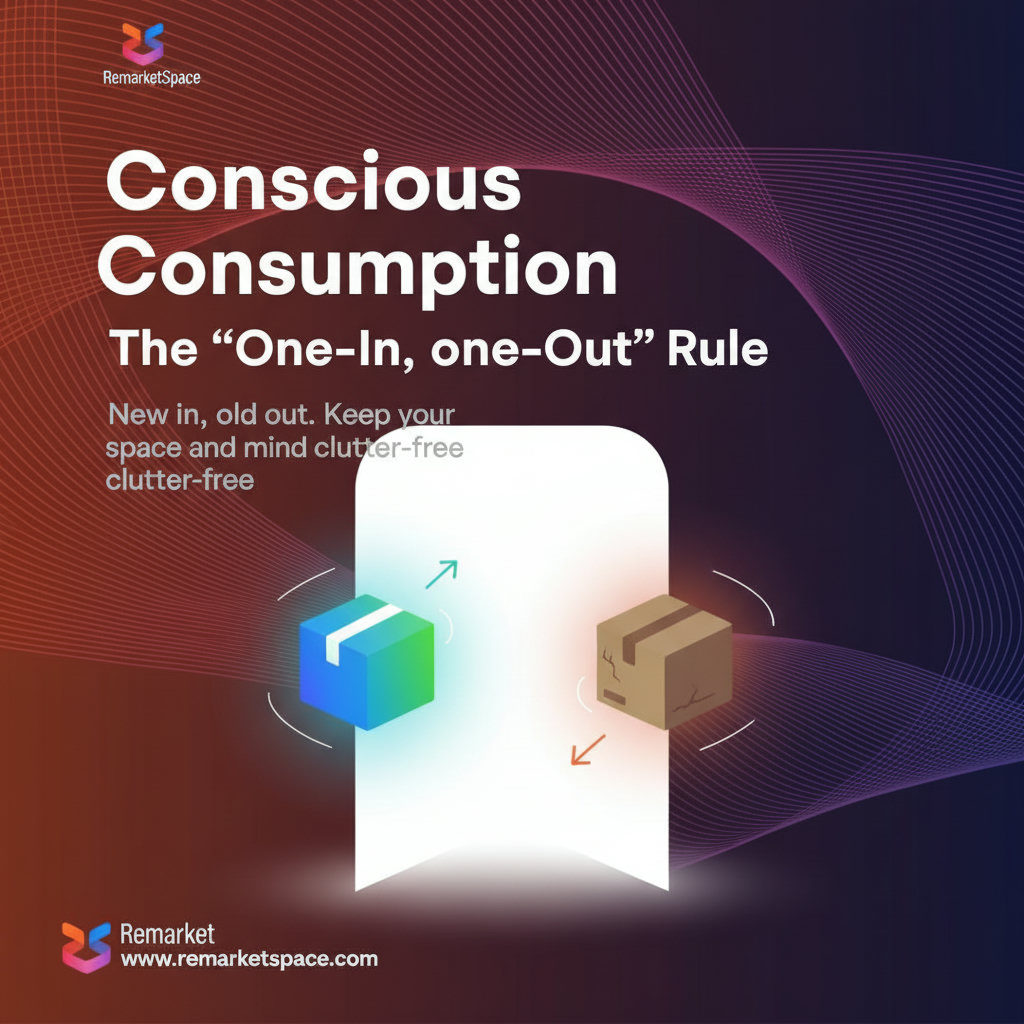
One-in, one-out rule: To prevent new clutter from accumulating,
adopt the “one-in, one-out” rule. Whenever you purchase a new item (be
it a piece of clothing, a book, or a kitchen gadget), commit to
donating or discarding an existing item in the same category. This
simple rule helps maintain a constant inventory level and encourages
mindful purchasing. -
Digital decluttering: Clutter isn’t limited to physical
objects. Our digital lives can be just as overwhelming. Dedicate time
to digital decluttering:- Unsubscribe from unwanted emails.
- Delete unused apps from your phone and computer.
- Organize your files and photos.
- Limit social media time and unfollow accounts that don’t add value.
A streamlined digital environment contributes significantly to mental
clarity and reduces distractions. -
Storage solutions: Minimalist living doesn’t mean living
without storage; it means having intentional, effective storage for the
items you genuinely need and love. Invest in functional, aesthetically
pleasing storage solutions that help maintain order without encouraging
excessive accumulation. Think vertical storage, multi-purpose furniture,
and clear containers that allow you to see what you have, preventing
duplicate purchases. Keep surfaces clear to create a sense of spaciousness
and calm.
Mindful Consumption
Beyond the initial purge, minimalism is a continuous practice of mindful
consumption. It’s about being deliberate with every purchase, understanding
its true cost, and recognizing its impact—not just on your wallet and home,
but on the environment and society.
Rethinking Purchases
Mindful consumption encourages us to pause before purchasing, challenging
ingrained habits of impulsive buying and consumerism.
-
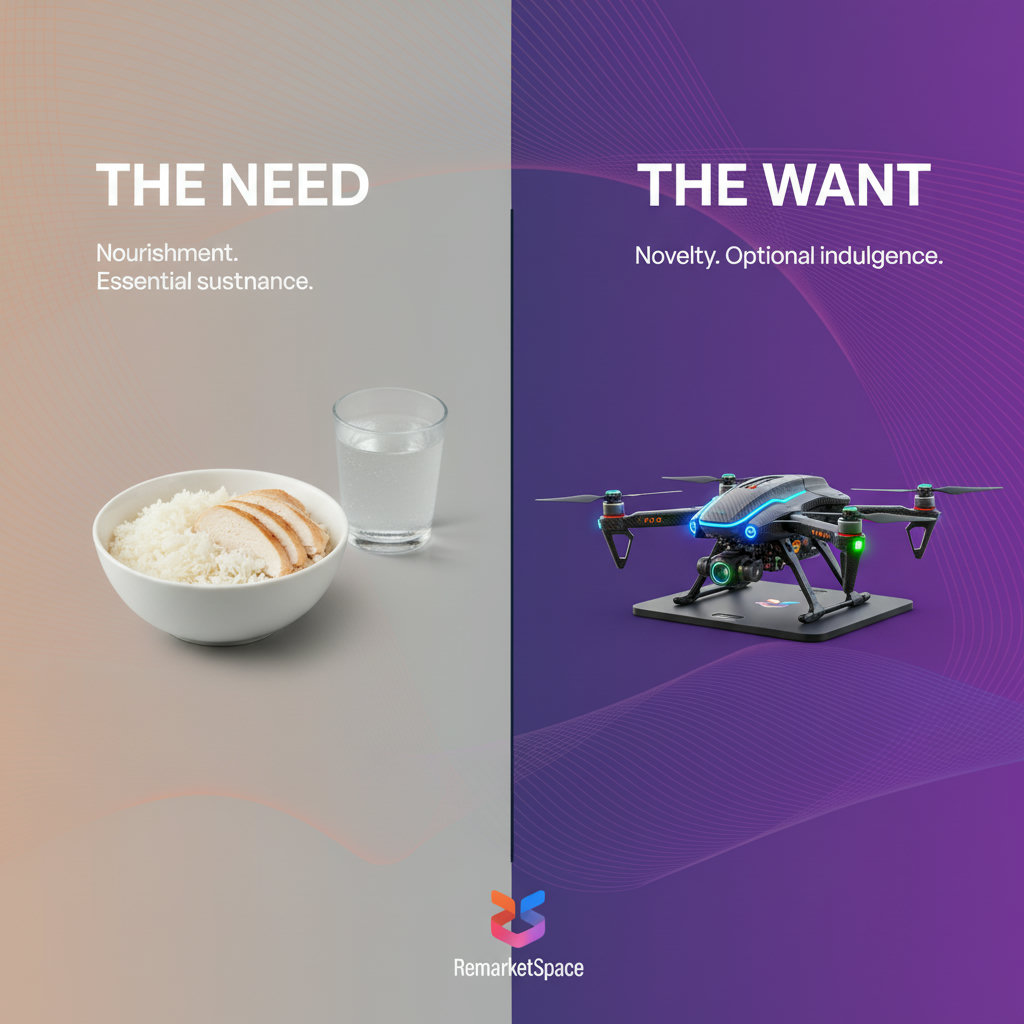
Needs vs. wants: A critical distinction in mindful consumption
is understanding the difference between needs and wants. Needs are
essentials for survival and well-being (food, shelter, basic clothing).
Wants are desires that enhance life but aren’t strictly necessary. Before
any purchase, ask yourself: Is this a genuine need, or simply a want fueled
by advertising or social pressure? This introspection helps curb
unnecessary spending and reduces clutter. -
Quality over quantity: Minimalists prioritize buying fewer,
higher-quality items that are built to last over numerous cheap,
disposable ones. While the initial investment might be higher, quality
items often prove more economical in the long run, reducing the need
for frequent replacements and contributing less to landfills. This
approach also fosters a greater appreciation for the items we own.
This principle extends to all areas of life, from clothing to home appliances and even experiences.
Eco-Conscious Choices
The minimalist ethos naturally aligns with ecological responsibility, as
reducing consumption directly lessens environmental impact.
-
Sustainable brands: When purchasing becomes necessary, seek out
sustainable brands that prioritize ethical production, eco-friendly
materials, and fair labor practices. Research companies that are
transparent about their supply chains and actively work to minimize
their environmental footprint. Supporting such businesses is a powerful
way to cast a vote for a more sustainable future. The
circular economy
concept is a great example of this, focusing on reducing waste and
making the most of resources. -
Reducing waste: Minimize waste in all forms—food waste,
packaging waste, and energy waste. Embrace practices like buying in
bulk, using reusable bags and containers, composting, and opting for
repair over replacement. Even small daily habits, like unplugging
chargers when not in use, contribute to a significant reduction in your
overall environmental impact. -
Experiences over things: Perhaps the most profound shift in
mindful consumption is valuing experiences over material possessions.
Instead of buying another gadget, invest in a trip, a class,
or a memorable outing with loved ones. Experiences create lasting
memories, contribute to personal growth, and foster deeper connections,
offering far greater fulfillment than any material item could.
Embracing a Minimalist Mindset
Ultimately, minimalism is not just about what you own, but how you live and
think. It’s a mindset that extends beyond your physical possessions to your
time, energy, and mental space. Cultivating a minimalist mindset involves
intentional choices that prioritize well-being and purpose.
Cultivating Gratitude
A core aspect of the minimalist mindset is developing a deep sense of gratitude
for what you have, rather than constantly striving for more.
-
Daily practices: Incorporate daily gratitude practices into
your routine. This could be as simple as keeping a gratitude journal
where you list three things you’re thankful for each day, or taking a
few moments to reflect on positive aspects of your life. Consistent
gratitude shifts your focus from scarcity to abundance, fostering
contentment with your present circumstances. -
Shifting perspective: Minimalism encourages a shift in
perspective: from chasing external validation through possessions to
finding intrinsic satisfaction in your life. It’s about recognizing
that true happiness doesn’t come from owning the latest gadgets or
having a perfectly curated home, but from meaningful relationships,
personal growth, and contribution. This shift helps reduce the desire
for constant acquisition.
Simplifying Your Schedule
Just as physical clutter can overwhelm a space, an overstuffed schedule can
overwhelm your mind and lead to burnout. Simplifying your schedule is a vital
component of a minimalist lifestyle.
-
Prioritization: Learn to identify and prioritize essential
tasks and commitments while gracefully declining those that don’t align
with your values or goals. Use tools like a to-do list with a focus on
the “Eisenhower Matrix” (Urgent/Important) to categorize tasks. This
ensures your time and energy are directed where they matter most,
reducing feelings of being constantly overwhelmed. -
Digital detox: Our devices and endless notifications are major
contributors to mental clutter and fragmented attention. Regularly
schedule digital detox periods—whether it’s an hour each evening, a
full day on the weekend, or even a mini-vacation without screens. This
helps reset your focus, reconnect with the present moment, and reduce
the addictive pull of constant connectivity. -
Mindful breaks: Integrate mindful breaks into your day. These
aren’t just pauses, but intentional moments to recharge, reflect, or engage
in an activity that brings you joy or calm. This could be a short walk,
meditation, reading a book, or simply enjoying a cup of tea in silence.
Such breaks prevent burnout and enhance overall productivity and well-being.