






Understanding the AI Landscape
The integration of Artificial Intelligence (AI) into our daily lives and professional spheres is no longer a futuristic concept; it’s a present reality that is rapidly reshaping industries and job functions globally. To effectively navigate this evolving landscape, it’s crucial to grasp the fundamental components of AI and its current impact. This understanding forms the bedrock for strategic adaptation, whether you’re an individual professional or a large organization. The new playing field feels a lot like navigating a high-stakes, fast-paced event, not unlike a high-energy speedway auto auction.
Defining AI in the Workplace
When we talk about AI in the workplace, we’re referring to a broad spectrum of technologies designed to perform tasks that typically require human intelligence. This encompasses several key domains:
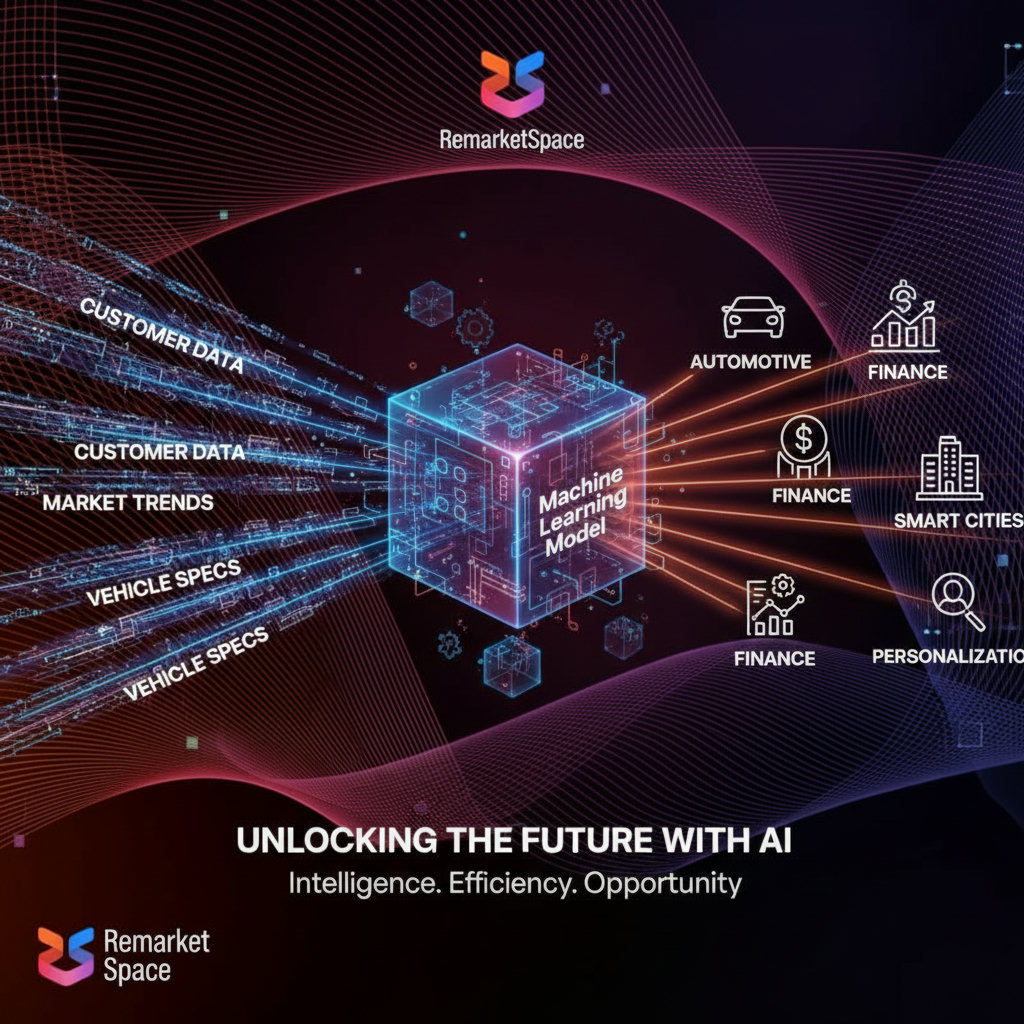
- Machine Learning: At the heart of many AI applications, machine learning involves algorithms that allow systems to learn from data, identify patterns, and make decisions with minimal human intervention. Examples range from predictive analytics in sales to fraud detection in financial services.
- Automation: This refers to technologies that perform processes without human assistance. Robotic Process Automation (RPA) handles repetitive, rule-based tasks, freeing human employees for more complex, creative, and strategic work. Think of automated data entry, customer service chatbots, or assembly line robots.
- Cognitive Computing: This advanced form of AI aims to simulate human thought processes, enabling systems to understand, reason, and learn. It includes natural language processing (NLP) for understanding human speech and text, and computer vision for interpreting images and videos. These capabilities allow for sophisticated data analysis and decision support.
Current Impact on Industries
The ripples of AI’s integration are felt across virtually every sector, fundamentally altering operational paradigms and workforce demands.
- Efficiency Gains: AI is a powerful engine for optimizing processes, reducing operational costs, and accelerating task completion. From intelligent scheduling software to automated quality control, businesses are leveraging AI to achieve unprecedented levels of productivity. This efficiency allows companies to scale operations without proportional increases in human resources, leading to higher output and improved competitiveness.
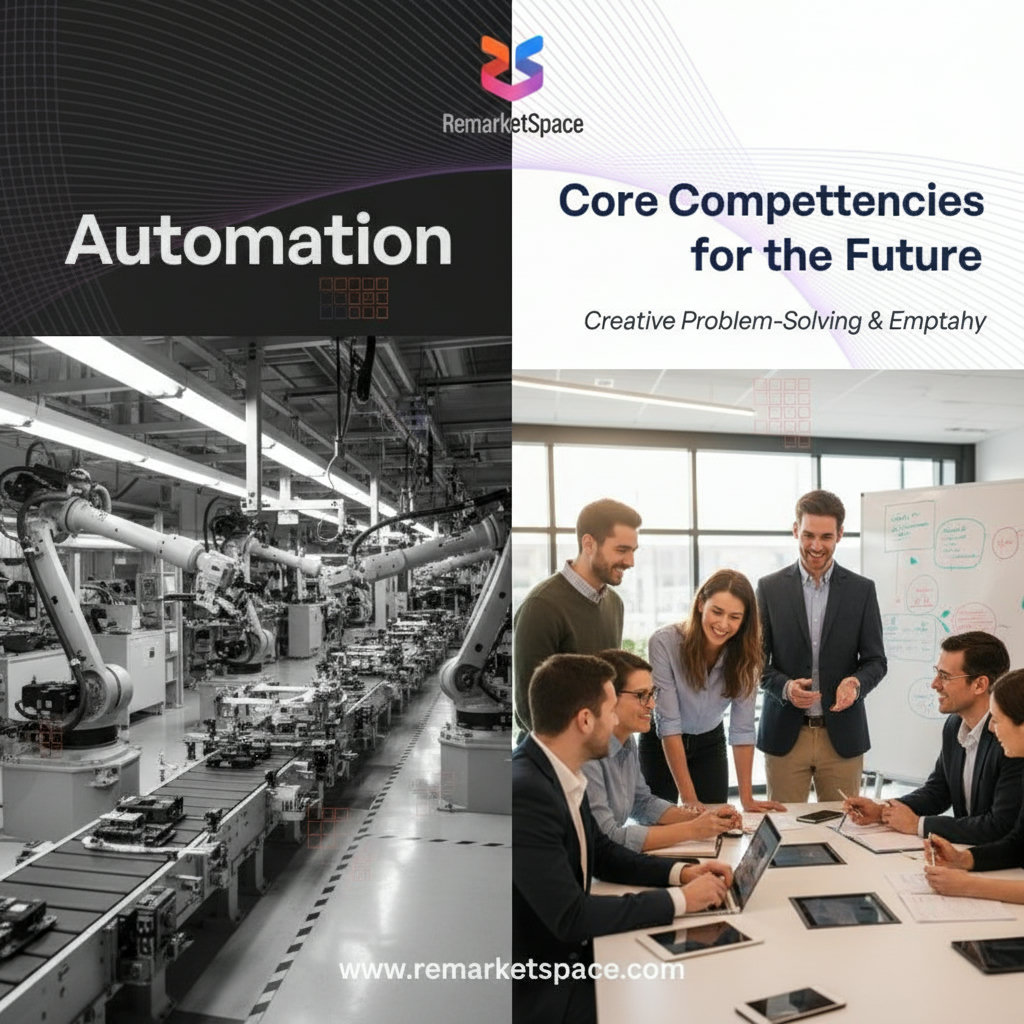
- Job Displacement Nuances: While concerns about mass job displacement are prevalent, the reality is more nuanced. AI tends to automate routine, predictable tasks, meaning jobs aren’t necessarily eliminated but rather transformed. This shift requires workers to adapt their skill sets, focusing on areas where human capabilities—like creativity, critical thinking, and emotional intelligence—remain paramount. It’s a re-sculpting of job roles, not always an outright deletion.
- Emerging Roles: The rise of AI has simultaneously created a demand for entirely new job categories. Roles like AI ethicists, data scientists, machine learning engineers, AI trainers, and prompt engineers are becoming indispensable. These positions often require a blend of technical expertise and interdisciplinary understanding, highlighting the evolving nature of the workforce.
Skill Development for an AI-Driven World
As AI reshapes the professional landscape at a pace akin to a high-speed speedway auto auction, individuals must proactively cultivate a portfolio of skills that future-proof their careers. This involves a strategic blend of core human competencies and specialized technical literacies.
Core Competencies for the Future
While technical skills are important, soft skills become increasingly valuable in an AI-augmented environment. These are the uniquely human attributes that AI struggles to replicate.
- Critical Thinking: The ability to analyze information, evaluate arguments, solve complex problems, and make reasoned judgments is more crucial than ever. AI can process vast amounts of data, but humans are needed to interpret results, identify biases, and formulate strategic insights.
- Creativity: AI can generate content based on patterns, but true innovation, imagination, and the ability to think outside the box remain human domains. Creative problem-solving, artistic expression, and imaginative design are where humans will continue to excel.
- Emotional Intelligence: Understanding and managing one’s own emotions, and accurately perceiving and influencing the emotions of others, is vital for collaboration, leadership, and customer relations. AI cannot replicate genuine empathy, intuition, or the subtle nuances of human interaction.
Technical Upskilling Pathways
Beyond soft skills, a foundational understanding of AI technologies and data is indispensable for most modern roles.
- Data Literacy: The capacity to read, write, and communicate data in context, coupled with an understanding of data sources, analytical methods, and data-driven decision-making. This doesn’t mean becoming a data scientist, but rather being able to understand and question data presented by AI systems.
- AI Tool Proficiency: Familiarity with and the ability to effectively use AI-powered tools relevant to one’s industry or role. This could range from advanced analytics software and intelligent automation platforms to generative AI applications for content creation. The goal isn’t to build AI, but to skillfully wield it.
- Programming Fundamentals: While not every professional needs to be a coder, a basic grasp of programming concepts (e.g., Python, R) or scripting can unlock deeper insights, enable better collaboration with technical teams, and provide a framework for understanding how AI systems operate.
Lifelong Learning Imperative
The rapid evolution of AI demands a sustained commitment to learning. What is cutting-edge today may be mainstream tomorrow, and obsolete the day after.
- Continuous Education: Engaging in ongoing learning through courses, certifications, workshops, and self-study is no longer optional. This commitment allows professionals to stay relevant and adaptable in a fast-changing technological landscape.
- Adaptive Mindset: Cultivating a growth mindset—embracing change, viewing challenges as opportunities for learning, and being open to new ways of working—is crucial for thriving in an AI-driven economy. Rigidity is a career limitation.
- Resource Identification: Knowing where to find reliable information, learning platforms, and expert communities is a key skill in itself. Leveraging online courses (e.g., Coursera, edX), industry-specific forums, and professional networks can provide invaluable pathways for learning.
Organizational Adaptability Strategies
For organizations, adapting to AI means more than just implementing new technologies; it requires a holistic transformation of culture, workflows, and leadership. This strategic pivot ensures sustained growth and competitiveness.
Fostering a Culture of Innovation
A forward-thinking culture is the bedrock upon which successful AI integration is built.
- Experimentation: Encouraging employees to experiment with new AI tools and approaches, even if it means occasional failures, is vital. This fosters a learning environment where breakthroughs can occur and best practices can emerge.
- Collaboration: Breaking down silos between departments and fostering cross-functional collaboration is essential. AI projects often require input from IT, business operations, and even legal teams to ensure successful and ethical deployment.
- Risk Tolerance: Leaders must demonstrate a willingness to take calculated risks on new AI initiatives, understanding that not every endeavor will yield immediate success. This tolerance for intelligent failure encourages innovation rather than stifling it.
Redesigning Workflows with AI
AI should augment human capabilities, not merely replace them. Strategic workflow redesign focuses on this principle.
- Augmentation vs. Replacement: The most effective AI deployments augment human intelligence, allowing employees to achieve more, not simply automating their jobs away. For instance, AI in customer service can handle routine queries, allowing human agents to focus on complex, relationship-building interactions.
- Process Optimization: Organizations must critically assess existing workflows to identify areas where AI can drive efficiencies, reduce bottlenecks, or enhance decision-making. This often involves mapping current processes and then envisioning AI-powered alternatives.
- Ethical AI Deployment: Integrating AI responsibly requires careful consideration of its ethical implications. This includes ensuring data privacy, addressing algorithmic bias, and maintaining transparency in AI-driven decisions. Organizations must develop internal guidelines and oversight committees for ethical AI use. For a deeper dive into ethical AI, consider resources from institutions like IEEE.
Leadership in Transition
Effective leadership is paramount in guiding an organization through the complexities of AI adoption.
- Visionary Guidance: Leaders must articulate a clear vision for how AI will transform the organization, inspiring employees and providing a roadmap for change. This vision should align with business objectives and communicate the benefits to all stakeholders.
- Employee Empowerment: Empowering employees with the necessary training, tools, and support to adapt to AI-driven changes is critical. This includes transparent communication about changes and opportunities for skill development.
- Strategic Investment: Leaders must allocate resources—financial, technological, and human—towards AI initiatives, understanding that these are investments in the organization’s future competitiveness and a smart way to find great deals at a public auto auction.
Navigating Ethical and Societal Implications
As AI permeates deeper into our infrastructure and decision-making processes, understanding and mitigating its ethical and societal implications becomes a paramount concern for everyone involved, from developers to end-users.
AI Bias and Fairness
Bias in AI systems can lead to discriminatory outcomes, making fairness a critical consideration.
- Algorithmic Transparency: It is crucial to understand how AI algorithms make decisions. “Black box” AI, where the decision-making process is opaque, can lead to distrust and make it difficult to identify and correct biases. Organizations should strive for explainable AI (XAI) whenever possible.
- Mitigation Strategies: Strategies to address bias include using diverse and representative datasets for training, implementing bias detection tools, and regularly auditing AI systems for fairness. Human oversight in critical decision points also plays a vital role.
- Regulatory Frameworks: Governments and international bodies are beginning to develop regulatory frameworks to govern AI ethics and fairness. Staying informed and compliant with these emerging regulations (e.g., the EU AI Act) is essential for responsible AI deployment. For global perspectives on AI ethics, explore resources from organizations like the UNESCO.
Data Privacy and Security
AI systems rely heavily on data, making data privacy and security non-negotiable.
- Compliance Needs: Adhering to data protection regulations like GDPR, CCPA, and industry-specific privacy laws is fundamental. Non-compliance can lead to hefty fines and reputational damage.
- Best Practices: Implementing robust cybersecurity measures, data anonymization techniques, access controls, and regular security audits are essential. “Privacy by Design” should be a guiding principle in AI development.
- User Trust: Ultimately, maintaining user trust hinges on transparent data practices and a proven commitment to privacy. Breaches of trust can severely impact an organization’s reputation and consumer base.
The Human-AI Collaboration Paradigm
The optimal integration of AI involves a partnership between humans and machines, leveraging the strengths of both.
- Augmented Intelligence: This concept emphasizes AI’s role in assisting and enhancing human intelligence, rather than replacing it. It focuses on how AI can provide insights, automate mundane tasks, and handle information overload, allowing humans to focus on higher-level cognitive functions.
- Defining Human Roles: Clearly defining where human judgment, creativity, and empathy are indispensable, and where AI can take over routine or data-intensive tasks, is key to successful collaboration models. This prevents redundancy and maximizes efficiency.
- Ethical Guidelines: Developing clear ethical guidelines for human-AI interaction ensures that AI tools are used responsibly and that human oversight is maintained, especially in sensitive areas like healthcare, finance, or law.
Building a Resilient Workforce Ecosystem
Creating a workforce ecosystem resilient to the shifts brought by AI requires a multi-faceted approach involving education, government, and continuous improvement. This is just as critical as having the right strategy at a speedway auto auction.
Education System Evolution
The education system must adapt to prepare future generations for an AI-powered world.
- Curriculum Reform: Educational curricula need to be updated to include AI literacy, data science fundamentals, and ethical considerations of technology from an early age. The focus should shift from rote memorization to critical thinking, creativity, and problem-solving.
- Practical Skills Emphasis: Greater emphasis on practical, hands-on skills, interdisciplinary projects, and real-world applications of AI can better equip students for future job roles. Vocational training programs also need to integrate AI tools and techniques relevant to various trades.
- Future-Proofing Degrees: Universities and colleges must think strategically about how to future-proof their degree programs, ensuring graduates possess a blend of technical expertise and human-centric skills that remain valuable amidst technological change.
Government and Policy Support
Governmental bodies play a crucial role in creating an environment that supports workforce adaptation and societal resilience.
- Retraining Programs: Investing in and scaling up retraining and upskilling programs for workers whose jobs are most impacted by AI is essential. These programs should be accessible, affordable, and aligned with emerging job market demands.
- Social Safety Nets: Exploring and strengthening social safety nets, such as unemployment benefits or universal basic income models, may become necessary to support individuals during periods of transition or job displacement caused by rapid AI adoption.
- Innovation Incentives: Governments can incentivize responsible AI innovation through grants, tax breaks, and research funding, while also encouraging companies to invest in their workforce’s AI readiness.
Continuous Improvement Loop
Adaptation to AI is not a one-time event but an ongoing process requiring constant feedback and iteration.
- Feedback Mechanisms: Establishing robust feedback mechanisms across all levels—from individual employees to industry sectors—is crucial for understanding the real-world impact of AI and identifying areas for improvement in policies, training, and tools.
- Adaptable Frameworks: Organizations and governments need to develop flexible and adaptable frameworks for AI policy and workforce development, recognizing that the pace of technological change demands agility.
- Long-term Vision: A long-term vision that anticipates future AI advancements and their potential implications for society and the workforce is necessary to avoid reactive responses and instead foster proactive, sustainable growth.
FAQ Section
What is the primary goal of AI integration in the workplace?
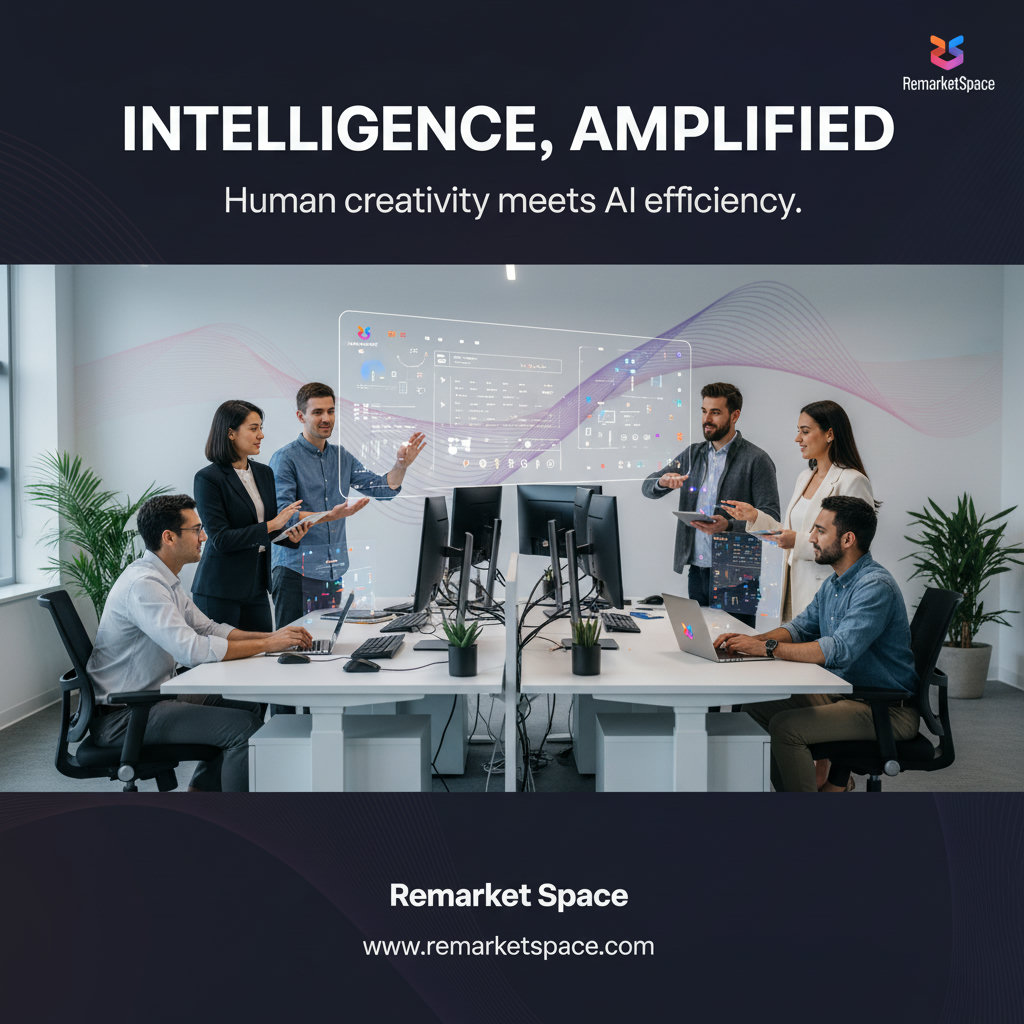
The primary goal of AI integration in the workplace is typically to enhance efficiency, automate repetitive tasks, improve decision-making through data analysis, and augment human capabilities, ultimately leading to increased productivity and innovation.
How does AI affect job security?
AI doesn’t always eliminate jobs; it often transforms them. While AI can automate routine tasks, it also creates new roles requiring specialized AI skills and elevates the importance of uniquely human competencies like creativity, critical thinking, and emotional intelligence, shifting the demand for certain skill sets.
What are the critical skills needed for an AI-driven job market?
Critical skills for an AI-driven job market include core human attributes like critical thinking, creativity, and emotional intelligence, as well as technical proficiencies such as data literacy, AI tool proficiency, and foundational programming knowledge. A commitment to lifelong learning is also paramount.
What role do organizations play in adapting to AI?
Organizations must foster a culture of innovation and collaboration, redesign workflows to augment rather than simply replace human tasks, and provide visionary leadership. This includes strategic investment in AI technologies and employee empowerment through training and support.
How can ethical concerns like AI bias be addressed?
Addressing AI bias requires algorithmic transparency, utilizing diverse datasets for training, implementing bias detection and mitigation strategies, and maintaining human oversight. Adherence to emerging regulatory frameworks for ethical AI deployment is also crucial.