








Foundations of Stoic Thought
Stoicism, an ancient philosophy that originated in Athens around 300 BCE, offers a compelling framework for navigating life’s complexities and achieving inner tranquility. Far from being a dry academic pursuit, it provides practical wisdom for cultivating resilience, managing emotions, and finding purpose in a chaotic world. At its heart, Stoicism is a philosophy of action, emphasizing what is within our control and urging us to live in harmony with nature and reason.
Origins and Key Figures
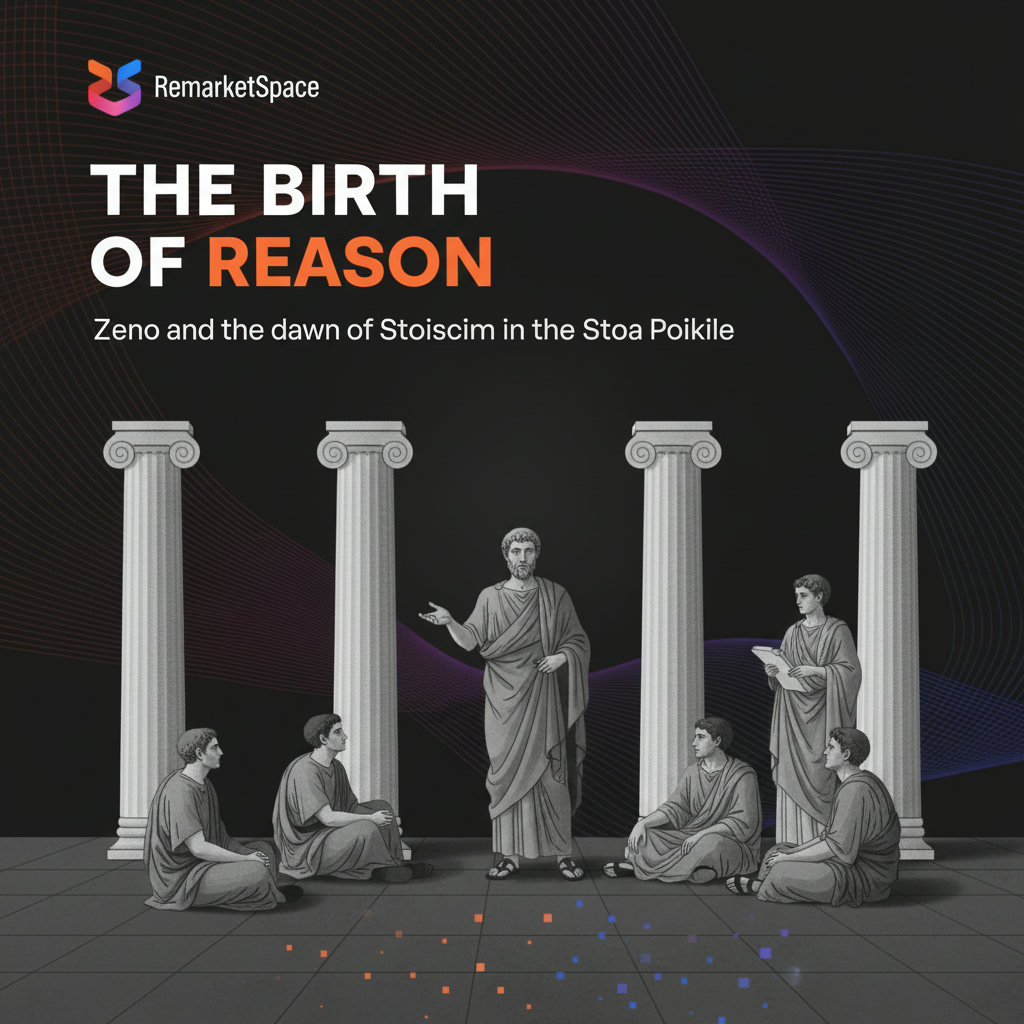
The philosophical school was founded by Zeno of Citium, who began teaching in the Stoa Poikile (Painted Porch) in Athens, from which the philosophy derives its name. Zeno’s teachings laid the groundwork for a system of thought that would profoundly influence Western civilization for centuries. Over time, prominent figures expanded and refined Stoic principles, making them accessible and applicable to diverse audiences.
- Zeno of Citium: The founder, whose teachings centered on living virtuously and in accordance with nature, emphasizing inner peace as the ultimate goal.
- Seneca: A Roman statesman, philosopher, and playwright, Seneca’s writings often explored themes of grief, anger, and mortality, providing poignant reflections on how to live a meaningful life amidst adversity. His letters and essays are a rich source of practical Stoic advice.
- Marcus Aurelius: The Roman Emperor, whose personal reflections, compiled in “Meditations,” offer an intimate glimpse into the mind of a ruler striving to live by Stoic virtues while facing immense pressure and responsibility. His work is perhaps the most widely read Stoic text today.
Core Principles
Stoicism is built upon several foundational principles that guide its adherents toward a life of virtue and serenity. These tenets provide a blueprint for understanding the world and our place within it, stressing the importance of deliberate choice and rational thought.
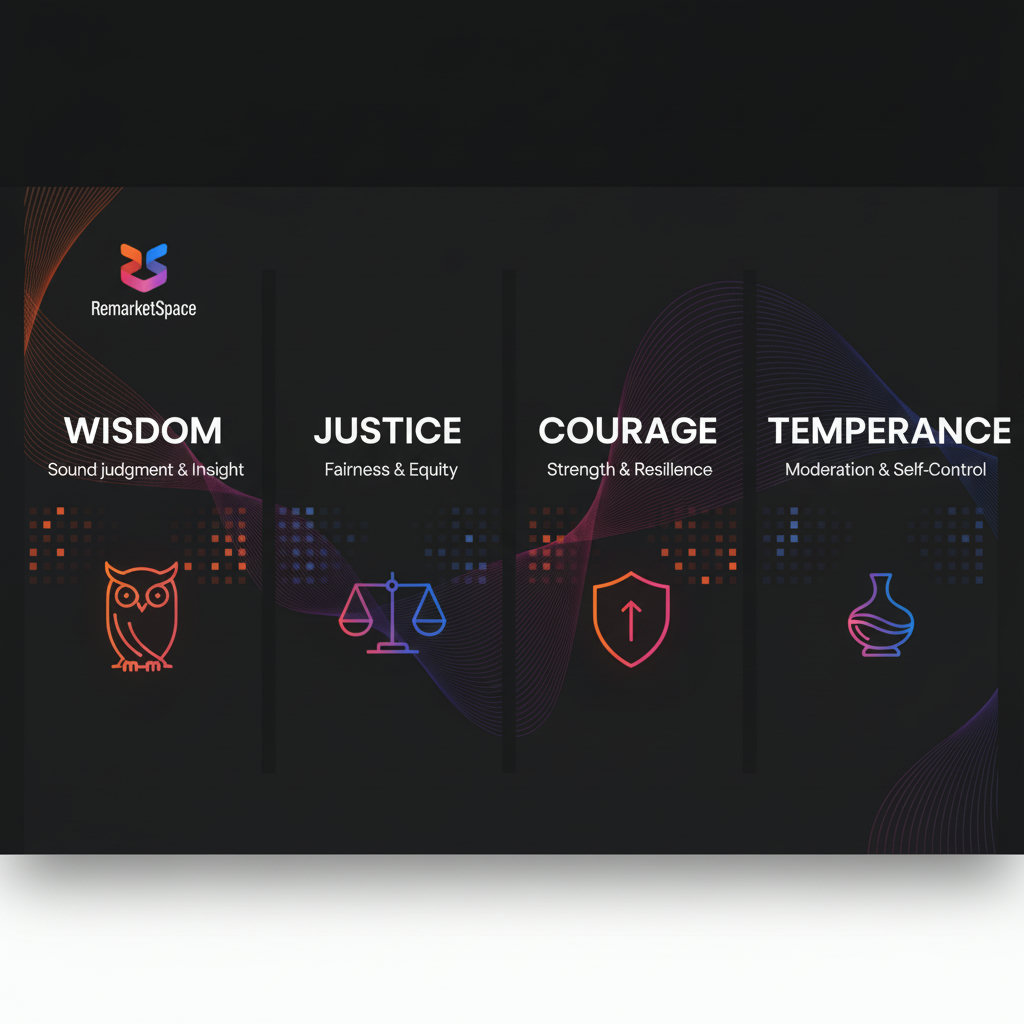
- Virtue as the sole good: For Stoics, true good resides only in virtue—wisdom, justice, courage, and temperance. External factors like wealth, health, or reputation are considered “indifferents,” neither good nor bad in themselves, though they can be preferred or dispreferred.
- Living in accordance with nature: This principle encourages aligning one’s actions and desires with the rational order of the universe. It means accepting what is beyond our control and focusing our energy on what we can influence—our judgments, impulses, and desires.
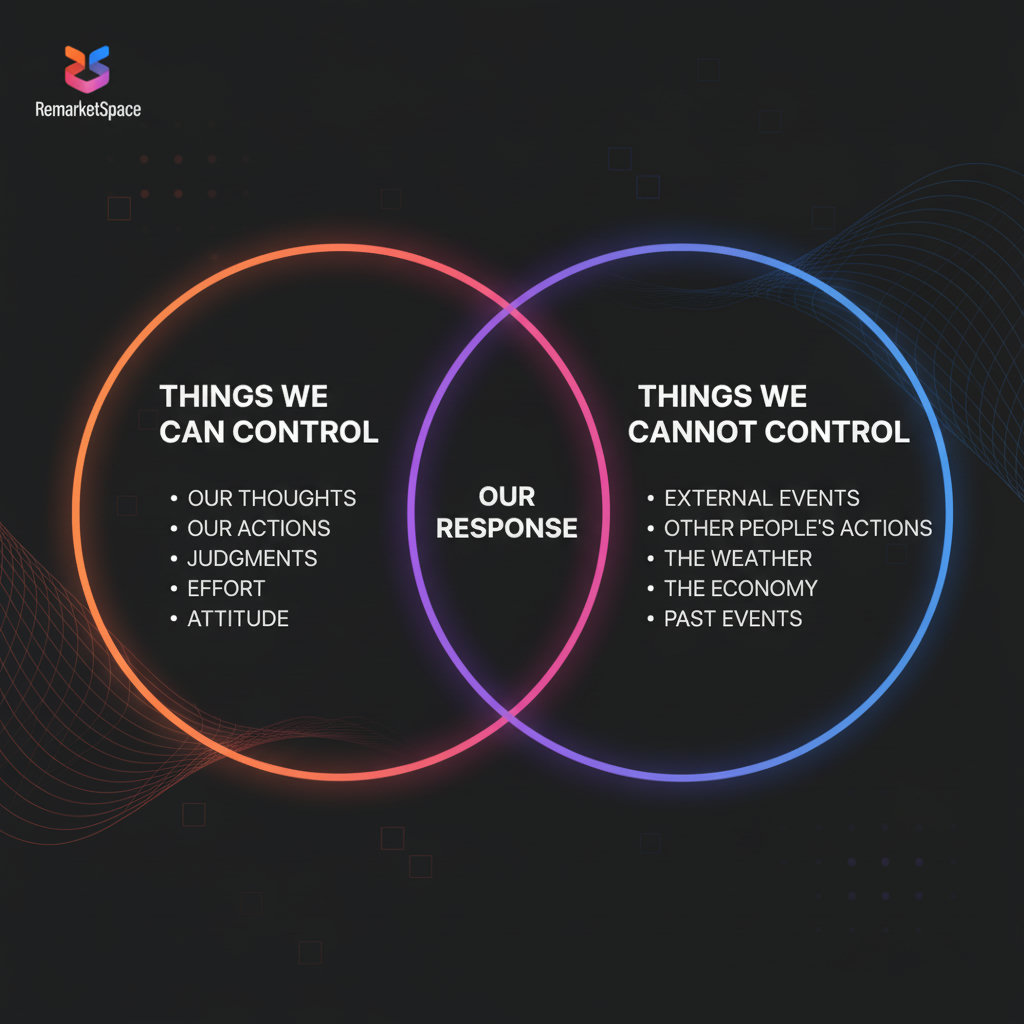
- Distinction between control and non-control: Perhaps the most fundamental Stoic teaching is the clear demarcation between what is within our power (our thoughts, reactions, choices) and what is not (external events, other people’s actions, the past, the future). By focusing solely on the former, we preserve our peace of mind and act effectively.
The Stoic Universe
The Stoics developed a sophisticated worldview that integrated physics, ethics, and logic, believing that a comprehensive understanding of the universe was essential for philosophical living.
- Cosmology and logic: Stoic cosmology posited a rational, ordered universe governed by divine reason (logos). This understanding informed their ethics, suggesting that living virtuously meant living in harmony with this universal reason. Logic was seen as the necessary tool for clear thinking and distinguishing truth from falsehood.
- The role of reason: Reason is considered humanity’s highest faculty and our unique connection to the divine order. Cultivating reason allows us to understand universal principles, make sound judgments, and control our unruly passions.
- Interconnectedness: Stoics believed that all of humanity is part of a single, interconnected community (cosmopolis). This conviction fostered a sense of universal brotherhood and promoted compassion, justice, and service to others.
Practical Applications in Daily Life
One of Stoicism’s enduring appeals is its intensely practical nature. It’s not merely a theoretical framework but a philosophy designed to be lived, offering concrete techniques for improving one’s mental fortitude and navigating everyday challenges.
Mastering Emotions
Stoicism provides powerful tools for understanding and managing our emotional landscape, not by suppressing feelings, but by scrutinizing the judgments that often cause them.
- The disciplined mind: This involves constant vigilance over our thoughts and reactions. By questioning our automatic judgments about external events, we can prevent distress and cultivate a more objective perspective.
- Indifference to externals: While not advocating apathy, Stoicism teaches us to be indifferent to things outside our control. We should prefer health over sickness, but not be disturbed if sickness occurs, understanding it as part of nature’s course.
- Premeditation of evils (Premeditatio Malorum): This practice involves mentally rehearsing potential future misfortunes. By contemplating loss, illness, or death, we can reduce their shock value should they occur and realize how little they truly impact our inner virtue.
Cultivating Virtue
For Stoics, virtue is the ultimate good, and its cultivation is the primary aim of life. The four cardinal virtues serve as guiding principles for ethical living and personal development.
- Wisdom: The ability to discern what is good, bad, and indifferent; to make sound judgments and act rationally.
- Justice: Treating others fairly and with kindness, recognizing the interconnectedness of all humanity and acting for the common good. You can read more about foundational philosophical concepts on Wikipedia’s entry on Justice.
- Courage: Not merely physical bravery, but the mental fortitude to face adversity, stand firm in one’s principles, and endure hardship with dignity.
- Temperance: Self-control, moderation, and discipline in all aspects of life, ensuring that desires and impulses do not override reason.
Enhancing Relationships
Despite misconceptions, Stoicism offers profound insights into fostering healthier, more meaningful relationships, grounded in rational empathy and understanding.
- Community and humanity: Stoics embraced the concept of cosmopolis, viewing all people as fellow citizens of the world. This fosters a sense of obligation and care for humanity as a whole, encouraging us to contribute positively to society.
- Empathy and understanding: By recognizing that others, like us, are often driven by their own perceptions and beliefs, we can cultivate greater empathy and reduce judgment. We learn to forgive human error and understand motivations.
- Managing conflict: Stoic principles help navigate disagreements by focusing on what is controllable (our reaction) and seeking rational solutions rather than being swept away by anger or pride.
Challenges and Misconceptions
Like any profound philosophy, Stoicism has faced its share of critiques and misunderstandings. Addressing these points is crucial for a complete understanding of its modern relevance.
Addressing Criticisms
Many common criticisms often stem from a superficial understanding of Stoic doctrine, misinterpreting its calls for reason and self-control as emotional repression.
- “Lack of emotion” fallacy: Stoicism does not advocate for suppressing emotions or becoming emotionless. Instead, it teaches us to acknowledge emotions, understand their causes (often our judgments), and prevent destructive passions (like excessive anger or fear) from controlling us.
- Passivity vs. action: Critics sometimes argue that Stoicism promotes passivity by urging acceptance of fate. On the contrary, Stoicism is a philosophy of active engagement—doing what is right and within our power to improve ourselves and the world, while accepting outcomes beyond our control.
- Determinism vs. free will: Ancient Stoics believed in a deterministic universe governed by an intelligent divine providence. However, they simultaneously argued for human free will within this framework, focusing on our freedom of choice regarding our judgments and intentions, regardless of external circumstances.
Distinguishing from Other Philosophies
While sharing some superficial similarities with other schools of thought, Stoicism maintains distinct differences that highlight its unique contribution.
- Epicureanism: Often contrasted with Stoicism, Epicureanism prioritizes pleasure as the ultimate good, though it defines pleasure as the absence of pain and tranquility (ataraxia), not hedonism. Stoicism, conversely, prioritizes virtue.
- Buddhism: Both philosophies emphasize the alleviation of suffering, the impermanence of things, and the importance of inner peace. However, their ontological and metaphysical underpinnings differ. Buddhism focuses on the concept of no-self and enlightenment through practices like meditation, while Stoicism centers on reason and virtue in a divinely ordered universe. For a deeper dive into Buddhist philosophy, visit Encyclopædia Britannica’s section on Buddhism.
- Nihilism: Nihilism posits that life is without objective meaning, purpose, or value. Stoicism, in stark contrast, finds profound meaning and purpose in living virtuously, acting according to reason, and contributing to the universal community.
Modern Interpretations
The practical wisdom of Stoicism has found remarkable resonance in contemporary psychology and self-help, influencing various therapeutic approaches and personal development strategies.
- Cognitive Behavioral Therapy (CBT): Many core principles of CBT, such as challenging irrational thoughts and restructuring cognitive patterns, directly echo Stoic practices of examining and reshaping our judgments.
- Mindfulness practices: The Stoic emphasis on present moment awareness, observing thoughts without attachment, and accepting what is, aligns closely with modern mindfulness techniques.
- Resilience training: Stoic exercises like the “premeditation of evils” directly contribute to building mental resilience, helping individuals anticipate and cope with adversity more effectively.
Integrating Stoicism for a Fulfilling Life
Embracing Stoicism is a commitment to a lifelong journey of self-improvement and inner cultivation. It provides a robust toolkit for not just surviving, but thriving, in the modern world.
Developing Personal Resilience
Stoicism offers a powerful antidote to victimhood, empowering us to face life’s inevitable setbacks with strength and grace.
- Adversity as opportunity: Instead of viewing challenges as pure misfortune, Stoics see them as opportunities to practice virtue—to exercise courage, patience, and wisdom. Difficulties become training grounds for personal growth.
- Acceptance and adaptability: By distinguishing what is within our control from what is not, we learn to accept the unchangeable aspects of reality and adapt our plans and attitudes accordingly, rather than fighting against the current.
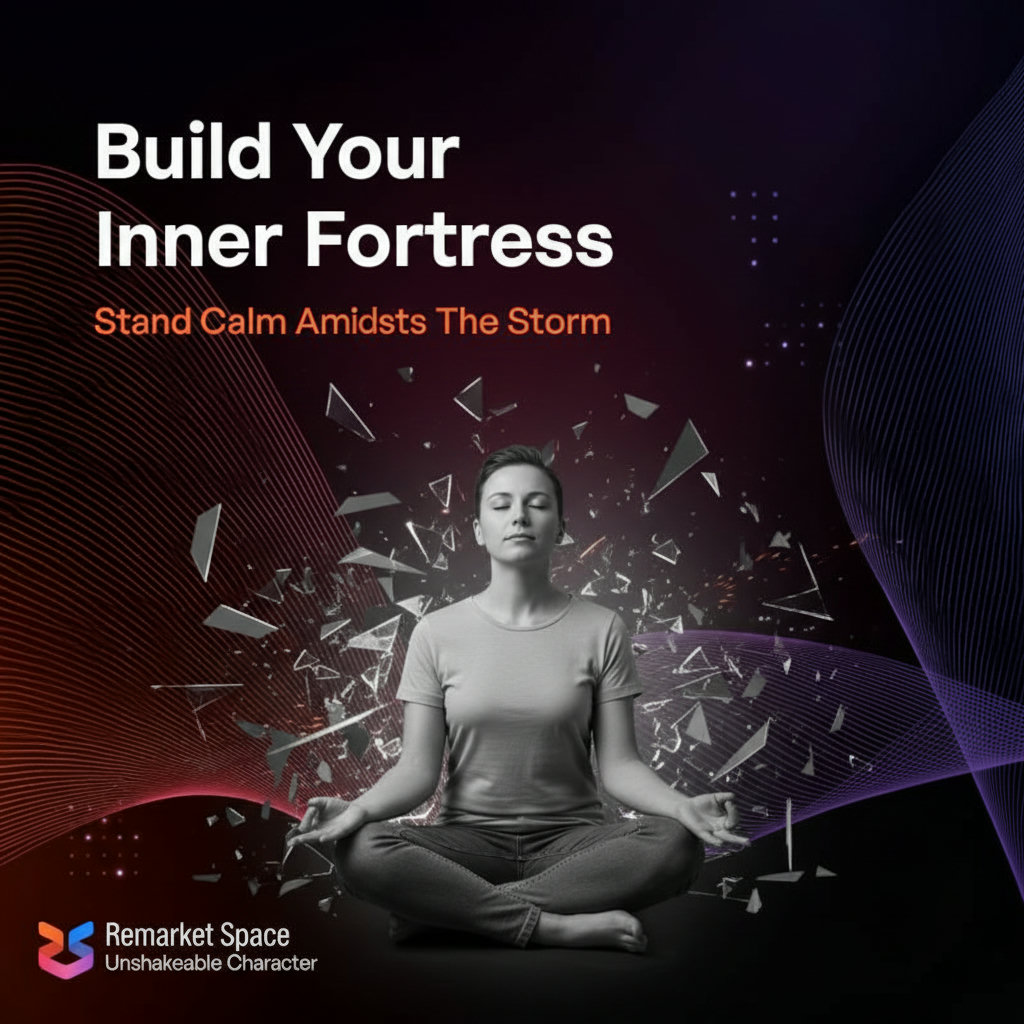
- Inner fortress: Stoicism teaches us to build an ‘inner fortress’ of character, a sanctuary of rational thought and virtue that remains unshaken by external events, providing a constant source of strength and peace.
Achieving Inner Peace
The ultimate goal of Stoicism is eudaimonia, often translated as flourishing or human well-being, characterized by tranquility and contentment derived from virtuous living.
- Contentment and gratitude: By focusing on what we have (what is within our control) rather than what we lack (externals), Stoicism fosters a deep sense of gratitude and satisfaction with the present moment.
- Present moment focus: Much like mindfulness, Stoicism encourages us to dwell neither on past regrets nor future anxieties, but to fully engage with and appreciate the present moment, where all our power truly lies.
- Reducing anxieties: By understanding that most anxieties stem from judgments about future events outside our control, we can systematically dismantle them, leading to a calmer, more serene state of mind.
A Lifelong Journey
Stoicism is not a destination but a continuous path of learning, practice, and self-reflection. It’s a philosophy that deepens with consistent application.
- Continuous learning: The pursuit of wisdom is endless. Stoics continually read, reflect, and engage in philosophical inquiry to refine their understanding and practice.
- Self-reflection and journaling: Regular self-examination, often through journaling (like Marcus Aurelius’s “Meditations”), is a cornerstone of Stoic practice, allowing us to review our actions, identify areas for improvement, and reinforce positive habits.
- Consistent practice: Like any skill, living Stoically requires consistent effort. It’s about applying the principles in daily life, learning from mistakes, and striving each day to be a little wiser, more courageous, more just, and more temperate. While not a public auto auction where you can buy and sell, it is an investment in self that yields lifelong returns.
FAQ Section
What is the main goal of Stoicism?
The main goal of Stoicism is to achieve eudaimonia, or human flourishing, which is characterized by inner peace, tranquility, and contentment, primarily through living a virtuous life in accordance with reason and nature. It teaches individuals to focus on what they can control (their thoughts and actions) and accept what they cannot.
How does Stoicism define virtue?
Stoicism defines virtue as the sole good, consisting of four cardinal virtues: Wisdom (the ability to discern good from bad), Justice (fairness and kindness to others), Courage (facing adversity and standing by principles), and Temperance (self-control and moderation).
Does Stoicism encourage suppressing emotions?
No, Stoicism does not advocate for suppressing emotions. Instead, it teaches us to understand the nature of our emotions, particularly destructive passions, by examining the judgments that give rise to them. The goal is to master emotions through reason, allowing us to feel appropriate emotions without being overwhelmed or controlled by them.
What is the “dichotomy of control” in Stoicism?
The “dichotomy of control” is a fundamental Stoic principle that divides everything in life into two categories: things we can control (our opinions, impulses, desires, and actions) and things we cannot control (external events, other people’s actions, our health, reputation, etc.). Stoicism advises focusing all our energy and concern only on what is within our control to achieve tranquility.
Can Stoicism be practiced by anyone today?
Absolutely. Stoicism offers timeless, practical wisdom applicable to anyone regardless of their background or beliefs. Its emphasis on self-awareness, rational thought, emotional resilience, and ethical conduct makes it highly relevant for managing the stresses of modern life, improving relationships, and finding personal purpose.