








The Evolving Landscape of Work
The world of work is undergoing an unprecedented transformation, driven by a confluence of technological advancements, shifting demographics, and evolving business priorities. What was once predictable is now dynamic, requiring individuals and organizations alike to adapt with agility and foresight. This isn’t merely a phase; it’s a fundamental recalibration of how we work, where we work, and what skills are valued. Understanding these foundational shifts is the first step toward navigating and thriving in the future.
Technological Disruptions Setting the Pace
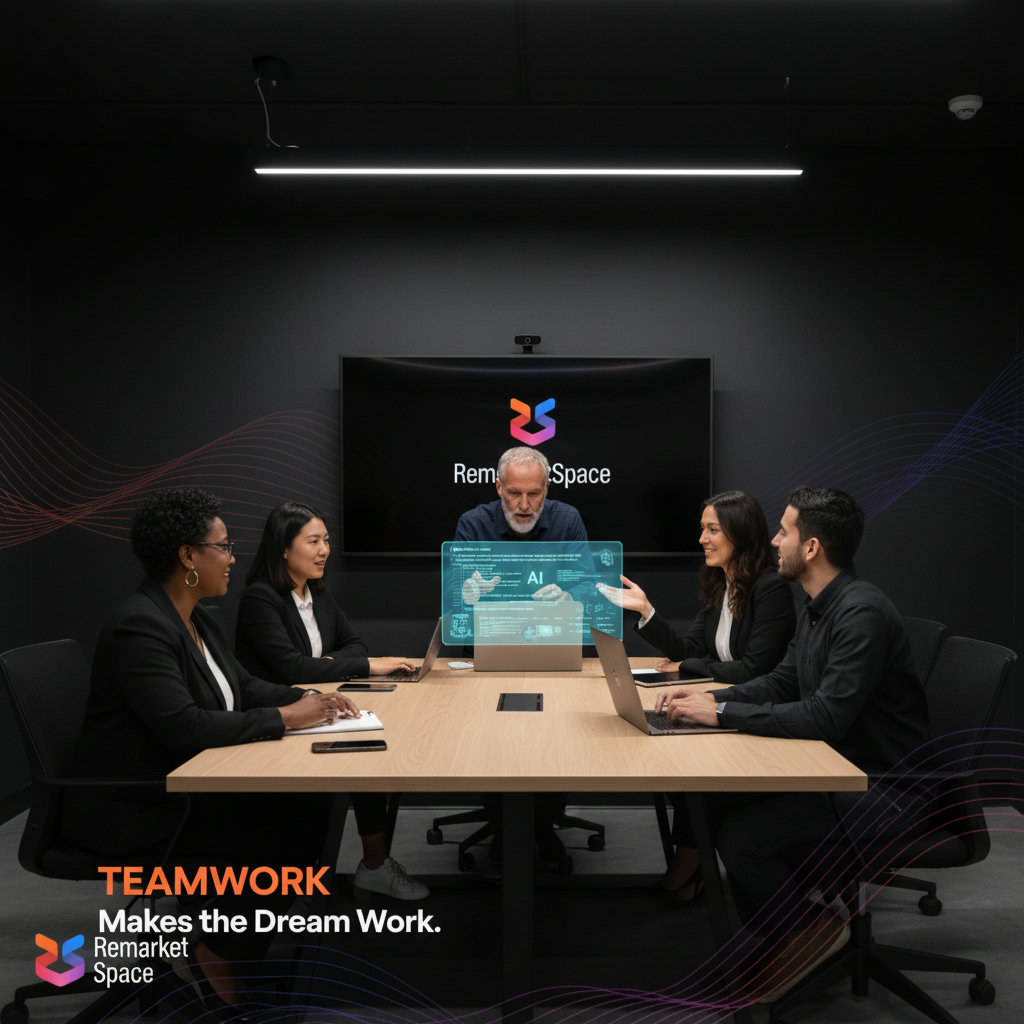
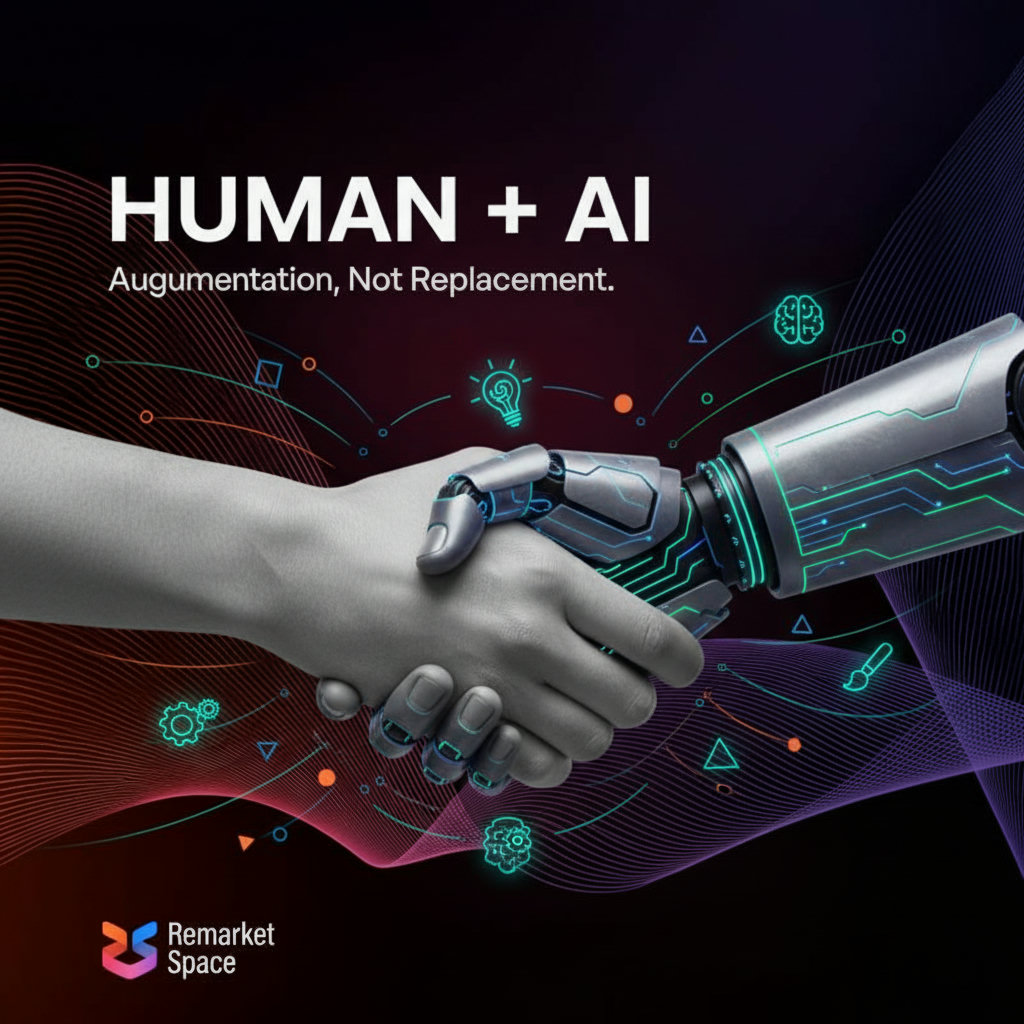
At the heart of this evolution are rapid technological disruptions. Artificial intelligence (AI) and automation are no longer futuristic concepts but present-day realities reshaping industries from manufacturing to customer service. These technologies are streamlining processes, enhancing productivity, and, in some cases, redefining job roles. While concerns about job displacement persist, the prevailing narrative increasingly focuses on augmentation—how humans and AI can collaborate to achieve greater outcomes.
Parallel to this, the proliferation of gig economy platforms has democratized work access and transformed traditional employment models. These platforms offer flexibility and autonomy, attracting a growing segment of the workforce. From ride-sharing to freelance coding, the gig economy is challenging traditional notions of employer-employee relationships and necessitating new approaches to benefits, protections, and talent management. For those seeking opportunities, including finding public auto auction listings for acquiring used trucks Minnesota for reselling, platforms and innovative marketplaces often play a crucial role in connecting buyers with sellers efficiently.
Shifting Workforce Demographics
Beyond technology, the workforce itself is changing profoundly. We are currently witnessing an unprecedented multi-generational labor force, each with distinct expectations and work styles. Younger generations prioritize purpose, flexibility, and continuous learning, while more experienced workers bring invaluable institutional knowledge. Bridging these generational gaps and leveraging diverse perspectives is critical for innovation and cohesion within organizations.
Furthermore, globalization has opened up access to vast global talent pools. Companies are no longer constrained by geographical boundaries when seeking specialized skills. This global access offers immense opportunities for diversity and expertise but also introduces complexities related to cultural integration, communication, and compliance across different regions. According to a report by the U.S. Bureau of Labor Statistics, the labor force participation rate continues to be impacted by these demographic shifts.
New Business Imperatives
In response to these forces, businesses are facing new imperatives. Agility and innovation have become paramount. Organizations must be able to pivot quickly, embrace new technologies, and foster a culture of continuous improvement to remain competitive. The ability to innovate rapidly is no longer a luxury but a core survival mechanism in a fast-changing marketplace.
Additionally, sustainability has emerged as a crucial focus. Consumers, employees, and investors increasingly expect companies to demonstrate a commitment to environmental, social, and governance (ESG) principles. This extends beyond eco-friendly practices to ethical supply chains, social responsibility, and inclusive workplaces. Integrating sustainability into core business strategy is essential for long-term viability and reputation.
Redefining the Workplace
The fundamental shifts in technology and demographics are compelling organizations to redefine not just how work is done, but where and within what structures. The physical and cultural aspects of the workplace are undergoing a profound transformation, moving away from rigid, traditional models towards more fluid, people-centric designs.
Hybrid & Remote Models Taking Center Stage
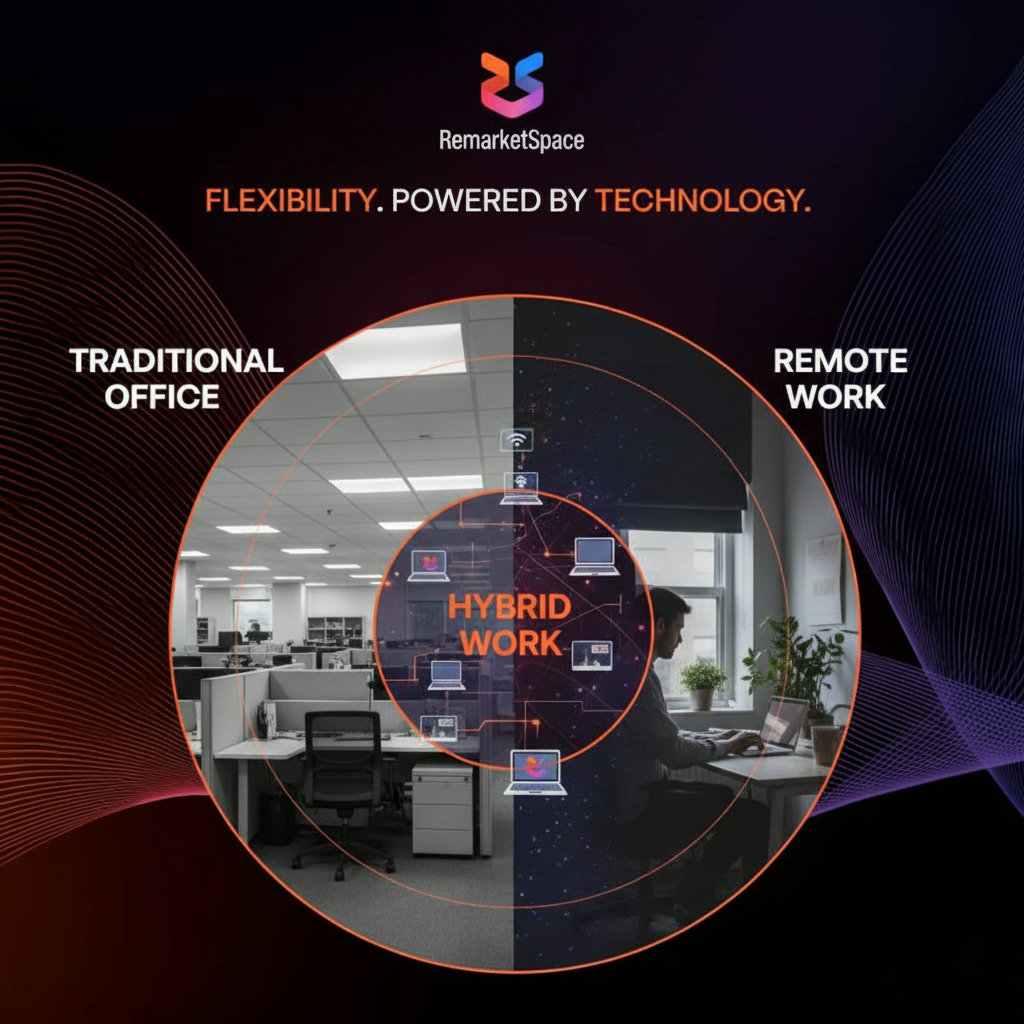
Perhaps one of the most significant changes has been the widespread adoption of hybrid and remote work models. The initial necessity driven by global events has evolved into a strategic choice for many organizations, offering increased flexibility for employees and potential cost savings for businesses. However, these models present their own challenges, particularly in optimizing collaboration and ensuring equity. Successful hybrid models require intentional strategies for communication, project management, and team building to prevent silos and maintain a cohesive company culture. Ensuring equity means providing all employees, regardless of location, with equal opportunities for development, recognition, and advancement.
Physical Space Reimagined
As remote work becomes more prevalent, the purpose of the physical office space is also being reimagined. No longer solely a place for daily tasks, the office is transforming into a hub for connection, collaboration, and cultural reinforcement. Organizations are designing spaces that foster creativity, facilitate informal interactions, and support team-based activities. This often involves flexible environments with hot-desking options, quiet zones for focused work, and dynamic common areas for socializing and brainstorming. The goal is to make the in-office experience compelling enough to attract employees who otherwise have the option to work from anywhere.
Culture & Well-being as Cornerstones
In this evolving landscape, culture and employee well-being have risen to the forefront of organizational priorities. Building a culture of psychological safety where employees feel comfortable expressing ideas, admitting mistakes, and taking risks without fear of retribution is critical for innovation and engagement. This involves fostering trust, empathy, and open communication from leadership down. Companies are also placing a greater emphasis on employee empowerment, providing autonomy, support for work-life balance, and opportunities for growth. Initiatives focusing on mental health, resilience, and overall well-being are becoming standard, recognizing that a healthy and supported workforce is a productive one. For more insights into workplace well-being, explore resources from organizations like the World Health Organization.
Skill Set Transformation
The dynamic nature of the modern workplace necessitates a corresponding evolution in the skills required for success. Merely possessing technical proficiency is no longer sufficient; individuals must cultivate a blend of human-centric qualities, digital acumen, and a commitment to continuous learning.
Essential Human Skills for the Future
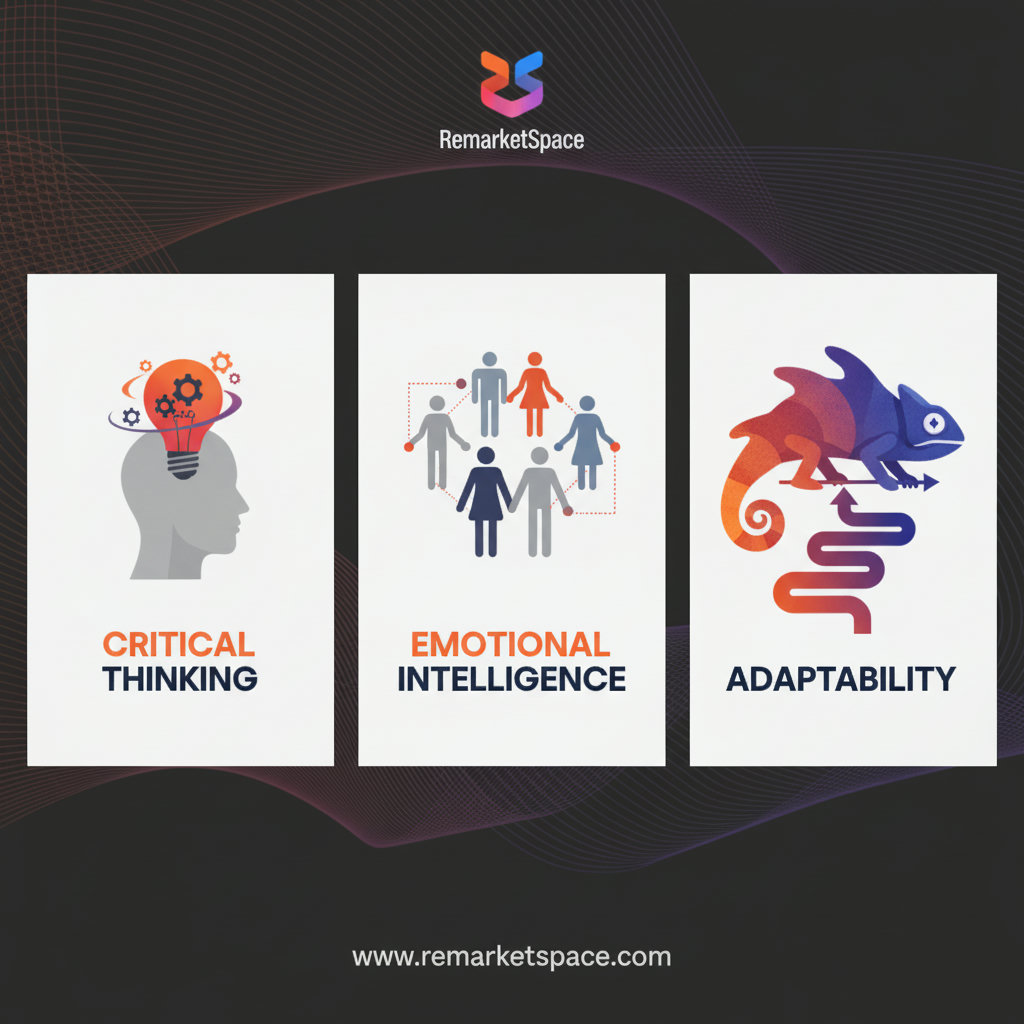
As AI and automation handle more routine and analytical tasks, uniquely human skills become increasingly valuable. Critical thinking is paramount—the ability to analyze complex information, evaluate arguments, and form reasoned judgments. This allows individuals to tackle novel problems and derive strategic insights that machines cannot. Equally important is emotional intelligence, encompassing self-awareness, empathy, motivation, and social skills. These qualities are crucial for effective teamwork, leadership, client relations, and navigating the nuances of human interaction that technology cannot replicate.
Digital Literacy & Adaptability
In an increasingly data-driven world, digital literacy is non-negotiable. This goes beyond basic computer skills to encompass data fluency—the ability to understand, interpret, and communicate insights from data. Professionals across all sectors need to be comfortable with data analytics tools and able to make informed decisions based on digital information. Crucially, adaptability is the meta-skill that underpins success. The pace of technological change means that yesterday’s tools and processes may be obsolete tomorrow. A mindset of continuous learning and an openness to new technologies and methodologies are vital for staying relevant and effective.
Lifelong Learning Frameworks
Recognizing the imperative for continuous skill development, organizations are investing heavily in lifelong learning frameworks. Upskilling initiatives are designed to enhance existing employees’ capabilities, teaching them new skills relevant to their current roles or impending changes. This might involve training in new software, advanced data analysis, or project management methodologies. Simultaneously, reskilling pathways are crucial for transitioning employees into entirely new roles, particularly those whose jobs may be significantly altered or made redundant by automation. These programs provide comprehensive training to equip individuals with the competencies needed for emerging job categories, ensuring a resilient and adaptable workforce capable of meeting future demands, including opportunities within specialized markets like those for used trucks Minnesota.
Leadership in a New Era
The transformation of work demands a corresponding evolution in leadership. Traditional command-and-control models are giving way to more empathetic, visionary, and empowering approaches designed to foster engagement, resilience, and innovation in a complex environment.
Empathy-Driven Leadership
At the core of modern leadership is empathy—the ability to understand and share the feelings of others. This is critical for building trust, especially in hybrid and remote settings where informal interactions are reduced. Empathetic leaders foster psychological safety, encouraging open communication and constructive feedback. They recognize the diverse challenges and needs of their teams, from work-life integration to career development, and respond with understanding and support. Inclusive practices are a natural extension of empathy, ensuring that all voices are heard, valued, and positioned for success, leading to stronger, more diverse teams and innovative solutions.
Strategic Vision & Foresight
In an inherently uncertain landscape, leaders must possess strong strategic vision and foresight. This involves not only setting clear goals but also anticipating trends—technological, economic, and social—that could impact the organization. Effective leaders scan the horizon for opportunities and threats, formulating flexible strategies that can navigate unforeseen challenges. Their ability to make informed decisions in the face of ambiguity and to communicate a compelling future direction is crucial for guiding their teams through periods of significant change and ensuring long-term organizational success. For example, understanding market shifts, such as demand for public auto auction vehicles like used trucks Minnesota, informs strategic inventory management for dealerships.
Empowering Autonomous Teams
The contemporary workplace thrives on agility, which is best achieved through empowered, autonomous teams. Leaders in this new era move beyond micromanagement, adopting a style of delegation and support. They provide teams with clear objectives, the necessary resources, and the authority to make decisions, stepping in as coaches and mentors rather than directors. This fosters a sense of ownership, boosts morale, and encourages innovative problem-solving. Performance enablement becomes the focus, where leaders remove obstacles, provide constructive feedback, and celebrate successes, creating an environment where teams can perform at their peak and contribute meaningfully to organizational goals.
Building Resilient Organizations
In the face of continuous disruption, the ultimate goal for any enterprise is to build resilience—the capacity to adapt, recover, and grow stronger from challenges. This requires intentional structuring, responsible technological integration, and proactive strategies to future-proof operations.
Agile Organizational Structures
Rigid, hierarchical structures are ill-suited for a rapidly changing world. Resilient organizations embrace agile organizational structures, characterized by cross-functional teams and iterative processes. These teams are designed to be self-organizing and empowered to complete projects from start to finish, fostering speed, collaboration, and continuous improvement. Iterative processes, such as Scrum or Kanban, allow for rapid prototyping, testing, and adjustment, ensuring that solutions remain relevant and effective even as requirements evolve. This fosters a culture of continuous learning and adaptation, which is vital for navigating complexity.
Ethical AI & Automation Integration
As AI and automation become more pervasive, their integration must be guided by strong ethical principles. Resilient organizations prioritize bias mitigation, ensuring that AI systems are developed and deployed fairly, without perpetuating or amplifying existing societal biases. This involves careful data selection, algorithmic transparency, and ongoing monitoring. Furthermore, rather than viewing AI as a replacement for human labor, these organizations focus on human-AI collaboration. They design systems that augment human capabilities, freeing up employees for more creative, strategic, and empathetic tasks, thereby maximizing the potential of both human and artificial intelligence.
Future-Proofing Strategies
To truly build resilient organizations, proactive future-proofing strategies are essential. This includes engaging in scenario planning, where leaders envision various potential futures—from best-case to worst-case—and develop contingency plans for each. This exercise helps identify vulnerabilities, explore opportunities, and build organizational preparedness. Above all, resilient organizations commit to continuous adaptation. They institutionalize mechanisms for regularly reviewing their strategies, processes, and technologies, ensuring they remain responsive to external changes. This continuous loop of learning, adjusting, and innovating is what allows an organization to not just survive, but thrive, in an ever-evolving landscape. For example, businesses dealing in public auto auction purchases, particularly of used trucks Minnesota, must continuously adapt their acquisition and sales strategies based on market demand and logistical realities to remain profitable.
FAQ
What are the primary drivers of the evolving landscape of work?
The primary drivers are technological disruptions like AI and the gig economy, shifting workforce demographics with diverse generational expectations, and new business imperatives focusing on agility, innovation, and sustainability.
How are physical workplaces being redefined in the new era of work?
Physical workplaces are being reimagined as hubs for connection and collaboration rather than just spaces for individual tasks. They feature flexible environments, hot-desking, and dynamic common areas to foster creativity and social interaction, supporting hybrid work models.
What human skills are becoming more critical as AI and automation advance?
Essential human skills such as critical thinking, problem-solving, emotional intelligence, creativity, and complex communication are increasingly vital. These skills allow humans to perform tasks that AI cannot replicate and are crucial for leadership and collaboration.
Why is lifelong learning important for employees in the modern workforce?
Lifelong learning is crucial because the rapid pace of technological change and evolving job demands mean that skills quickly become outdated. Employees must continuously upskill and reskill to remain relevant, adaptable, and competitive in their careers.
What role does empathy play in modern leadership?
Empathy is foundational for modern leadership, enabling leaders to build trust, foster psychological safety, and implement inclusive practices. It helps understand and support diverse employee needs, enhancing team cohesion, engagement, and overall performance.
How can organizations build resilience against future disruptions?
Organizations can build resilience by adopting agile structures, integrating AI and automation ethically (with bias mitigation and human-AI collaboration), and implementing future-proofing strategies like scenario planning and continuous adaptation to changing market conditions.