








For anyone in the business of buying and reselling vehicles, especially from auctions, every detail counts. A dashboard illuminated with warning lights can be a significant deterrent for potential buyers, signaling hidden problems and eroding trust. Among these, the Tire Pressure Monitoring System (TPMS) light is one of the most common culprits. While it might seem like a minor issue, addressing it swiftly and effectively can transform a challenging sale into a profitable flip. This guide delves into the essential auction car quick fixes for TPMS lights, ensuring your vehicles are market-ready and command the best possible price.

Understanding the TPMS Light: What It Means for Your Auction Car Quick Fixes
In the competitive automotive resale market, an immaculate dashboard is not just about aesthetics; it’s about signaling reliability and transparency. A lit TPMS warning light, even for a seemingly minor reason, can raise red flags for prospective buyers, casting doubt on the vehicle’s overall condition and your diligence as a seller. It’s a quick visual cue that something is amiss, potentially leading to lower offers or prolonged selling times. Therefore, understanding and resolving this issue is a critical part of your auction car quick fixes strategy.
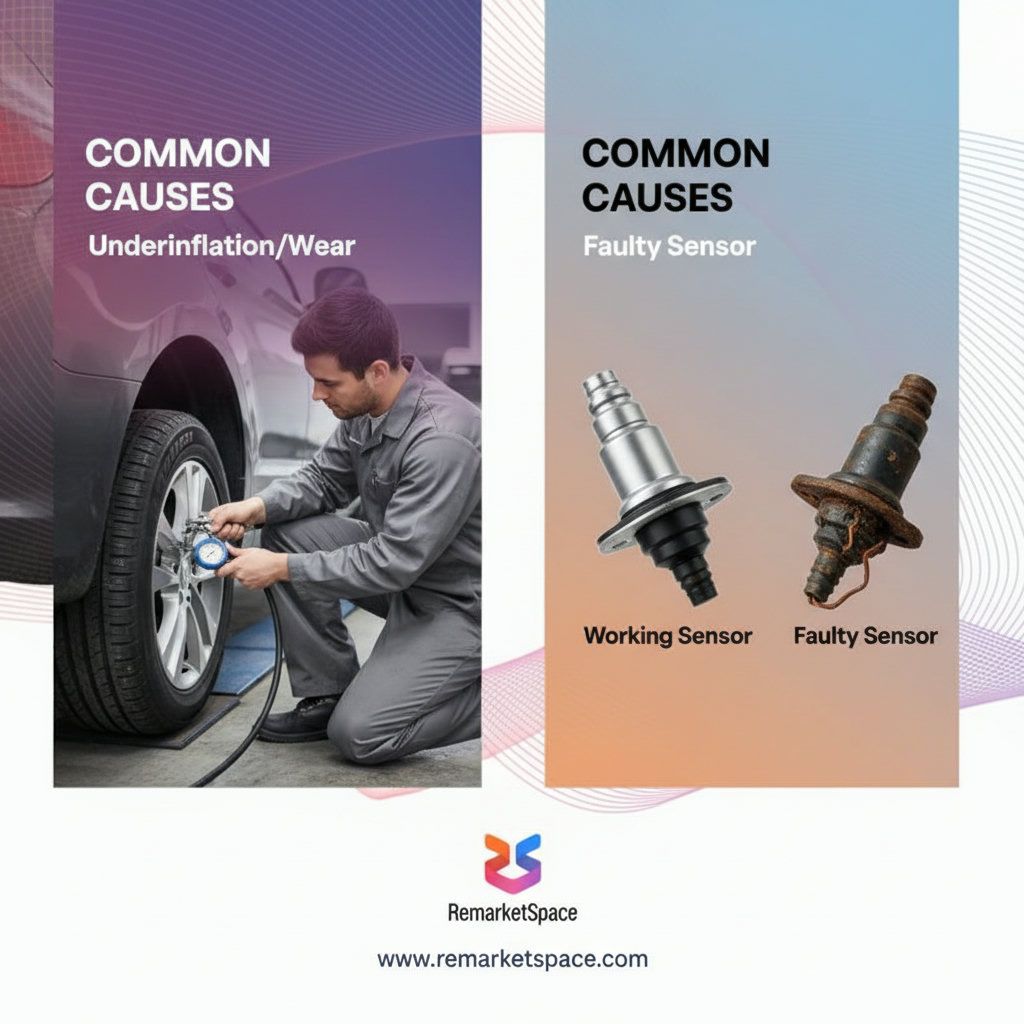
The TPMS light illuminates for a variety of reasons, most commonly indicating that one or more tires are underinflated. However, it can also signify more complex problems. These include:
- Low Tire Pressure: The most frequent cause, often easily rectified by simply inflating the tires.
- Faulty TPMS Sensor: Sensors can wear out, suffer battery depletion (they are often battery-powered), or become damaged by road debris or during tire changes.
- TPMS System Malfunction: Sometimes, the system itself might have an electrical glitch or communication error with the vehicle’s ECU.
- Spare Tire Issues: Some vehicles monitor the spare tire’s pressure, and if it’s low, the light can activate.
Differentiating between a minor and a major TPMS issue is crucial for efficient problem-solving and cost-effective auction car quick fixes. A light triggered by low tire pressure is a minor fix. However, if the light remains on after inflating tires to the correct PSI, or if it flashes consistently for a period before staying solid, it likely indicates a more significant problem like a faulty sensor or system malfunction. Addressing these distinctions efficiently will save you time and money, ensuring you don’t overspend on simple fixes or overlook critical replacements.
Simple Solutions: Your Auction Car Quick Fixes for TPMS Lights
Many TPMS light issues can be resolved with straightforward, low-cost interventions. These auction car quick fixes are essential for maximizing your profit margins and accelerating sales. Don’t underestimate the power of these basic steps; they often negate the need for more complex repairs.
Basic Reset Procedures for TPMS Systems
Once you’ve ensured all tires are properly inflated, a manual reset can often turn off the TPMS light. Vehicle manufacturers employ different reset methods, but common approaches include:
- Driving at Speed: After inflating tires, driving the vehicle at 50 mph or faster for 10-15 minutes can sometimes allow the system to recalibrate and turn off the light.
- Ignition Cycling: Turn the ignition to the “on” position (without starting the engine), then to “off.” Repeat this three times. Disconnect the negative battery cable for a few minutes, then reconnect. This can sometimes reset the ECU and clear minor electrical glitches.
- TPMS Reset Button: Many vehicles have a dedicated TPMS reset button, usually located under the dashboard, in the glove compartment, or near the steering wheel. Press and hold this button until the light flashes, then drive the vehicle. Consult the owner’s manual for its exact location and procedure.
Inflating Tires to Proper PSI: The Easiest Fix
This cannot be stressed enough: nearly 75% of TPMS lights are caused by underinflation. Always check door jamb placards or the owner’s manual for the correct tire pressure (PSI) for your specific vehicle. Use a reliable tire pressure gauge. Inflate all tires, including the spare if applicable, to the recommended PSI. Often, this is the only auction car quick fix needed to extinguish the light.
Visual Inspection for Obvious Tire Damage
While checking pressure, also perform a thorough visual inspection of each tire. Look for:
- Visible punctures or embedded objects (nails, screws).
- Bulges or cracks in the sidewall.
- Uneven wear patterns that might indicate alignment issues or slow leaks.
- Damaged or corroded valve stems, which can also lead to air leaks.
Addressing a leaking tire, whether by patching a small puncture or replacing severely damaged rubber, is paramount. Such a repair is a fundamental aspect of effective auction car quick fixes, preventing the TPMS light from reappearing shortly after sale.
Advanced Diagnostics & “How to Clean TPMS Sensors” for Lasting Results
When simple interventions don’t resolve the TPMS light, a deeper dive into diagnostics is necessary. This often points towards a faulty sensor, which can sometimes be rectified through cleaning before resorting to replacement.
Diagnosing Faulty TPMS Sensors
A specialized TPMS scan tool is your best asset here. Connect it to the vehicle’s OBD-II port. This tool can read specific fault codes related to the TPMS, identify which sensor (or sensors) is malfunctioning, and in some cases, determine if a sensor has a low battery. Without such a tool, diagnosing a faulty sensor can be guesswork. Professional shops use advanced versions of these tools, but affordable versions are available for serious car flippers.
Benefits of Clean TPMS Sensors
Over time, TPMS sensors, particularly those located inside the tire, can accumulate debris, dust, and corrosion from moisture within the tire. This buildup can interfere with their ability to accurately read tire pressure or transmit signals, leading to intermittent or persistent TPMS light activation. Clean TPMS sensors ensure:

- Accurate Readings: Unobstructed sensors provide precise pressure data.
- Reliable Performance: Reduces intermittent light activation caused by poor signal transmission.
- Extended Sensor Life: Removing corrosive elements can prolong the life of the sensor itself.
- Avoid Unnecessary Replacement: Sometimes, a thorough cleaning is all that’s needed, saving the cost of a new sensor.
Step-by-step guide: How to Clean TPMS Sensors
Cleaning TPMS sensors should ideally be done when tires are off the rim, such as during a tire replacement or rotation. If accessing the internal sensor, extreme care is needed to avoid damage.
- Remove the Tire and Sensor: This requires unmounting the tire from the wheel. The TPMS sensor is usually attached to the valve stem. If it’s an external cap sensor, simply unscrew it.
- Inspect for Damage: Before cleaning, visually inspect the sensor for any cracks, severe corrosion, or physical damage. If damaged, cleaning may not be sufficient, and replacement might be necessary.
- Gentle Cleaning: Use a soft brush (like a toothbrush) and an electrical contact cleaner or a mild, non-corrosive cleaner. Spray the cleaner onto the sensor body, paying close attention to the area around the valve stem and any visible contacts.
- Remove Debris: Gently scrub away any dirt, dust, or light corrosion. Avoid aggressive scrubbing, especially on any electronic components or the sensor housing itself.
- Dry Thoroughly: Allow the sensor to air dry completely before reinstallation. Ensure no moisture remains which could lead to future corrosion.
- Reinstall and Retest: Reinstall the sensor, remount the tire, inflate to the correct PSI, and perform the TPMS reset procedure.
It’s important to note that many internal TPMS sensors are sealed units. If the internal battery dies or the sensor is truly faulty, cleaning will not revive it. This cleaning process is primarily for addressing signal interference due to external contamination. More advanced TPMS system information can be found on resources like Wikipedia’s TPMS page.
Professional Touch: When to Seek Expert Help for Your Auction Car’s TPMS
While many auction car quick fixes for TPMS are DIY-friendly, there are situations where professional intervention is not just advisable but necessary. Knowing when to call in the experts can prevent costly mistakes and ensure a durable solution.
Identifying Irreversible Sensor Damage
Despite your best cleaning efforts, some sensors are simply beyond repair. Physical damage from impacts, severe corrosion that has compromised the sensor’s electronics, or an internal battery that has completely failed are all indicators of irreversible damage. A diagnostic scan tool will often confirm a faulty sensor unequivocally.
Programming New TPMS Sensors
When a sensor needs replacement, it’s not always a simple swap. New TPMS sensors often need to be programmed or “relearned” to the vehicle’s computer. This process varies by manufacturer:
- Auto-Learn: Some vehicles can automatically detect and learn new sensors after a short drive.
- Manual Relearn: Others require a specific sequence of actions, often involving ignition cycles and brake pedal presses, as detailed in the owner’s manual.
- OBD-II Relearn: Many vehicles necessitate a specialized TPMS scan tool to communicate with the vehicle’s computer and register the specific IDs of the new sensors. This is a common requirement for many modern vehicles. Learning more about OBD-II systems can enhance your diagnostic capabilities, you can find more information on official automotive technical resources or other educational sites such as Reddit Mechanics Subreddit.
Professional technicians have the proprietary tools and software to perform these complex relearn procedures accurately and efficiently.
Cost-Benefit Analysis of Professional TPMS Repair vs. Replacement
Before committing to professional repair or sensor replacement, weigh the costs. A new OEM sensor can range from $50-$150+, plus installation and programming fees, potentially totaling $100-$300 per wheel. Aftermarket universal sensors are often cheaper but may require specific programming. Consider:
- Resale Value: Will a fully functioning TPMS significantly increase the vehicle’s resale value and attraction? For newer models or luxury cars, absolutely.
- Longevity of the Flip: If the turnaround is quick, a professional fix might be worthwhile to guarantee no recurring issues for the buyer.
- Your Expertise: If you lack the tools or knowledge for programming, professional help is a sound investment.
For high-value flips, ensuring every system, including TPMS, functions flawlessly is a small investment for a significant return on buyer confidence and selling price.
Remarket Space Advantage: Maximizing Profit on Vehicles with TPMS Fixes
The effort invested in auction car quick fixes, particularly for something like a TPMS light, pays dividends when you’re ready to sell. These seemingly minor details significantly impact buyer perception and, ultimately, your profit margins.
Selling Vehicles with Clear Dashboards for Higher Value
A vehicle with a clear, warning-free dashboard is instantly more appealing. It communicates that the car is well-maintained, that you’ve addressed potential issues, and that it’s ready for the road. Buyers are often willing to pay a premium for this peace of mind. A lit TPMS light, on the other hand, can instantly devalue a vehicle by hundreds, if not thousands, of dollars as buyers factor in potential repair costs – even if the fix is simple.

Highlighting Transparency in Auction Listings
When you’ve meticulously performed your auction car quick fixes, proudly highlight these efforts in your listing descriptions. State clearly that the “TPMS light is off and fully functional.” This transparency builds trust with potential buyers, assuring them they are getting a carefully prepared vehicle. Use high-quality photos that show a clear dashboard to reinforce this message.
The Impact of Minor Fixes on Buyer Confidence and Profit Margins
Every small fix contributes to the overall appeal and value of the vehicle. A functioning TPMS system isn’t just about safety; it’s a testament to your attention to detail. This, coupled with other minor improvements, significantly boosts buyer confidence. Confident buyers are less likely to haggle aggressively and more likely to pay your asking price, directly impacting your profit margins. A vehicle that presents flawlessly, even if it required only a few strategic auction car quick fixes, is a vehicle that sells faster and for more money.
Boost Your Profits Today
Don’t let a simple TPMS light or other minor issues erode your profits. By integrating effective auction car quick fixes into your strategy, you can transform auction distressed vehicles into highly desirable, profitable assets. Focus on clarity, transparency, and a commitment to detail to maximize every flip. Ready to elevate your vehicle resale game? Start by perfecting your quick fix strategies today and watch your profits climb.
FAQ Section
What is a TPMS light?
The TPMS (Tire Pressure Monitoring System) light on your dashboard indicates that one or more of your vehicle’s tires may be underinflated, or there’s a malfunction with the TPMS system itself. Its purpose is to warn drivers of potentially unsafe tire pressure levels, helping to improve safety and fuel efficiency.
How long does it take to fix a TPMS light?
The time to fix a TPMS light varies greatly. Simple fixes like inflating tires or a basic system reset might take only 5-15 minutes. If a sensor needs cleaning or replacement and programming, it could take 30 minutes to an hour per wheel, plus diagnostic time.
Can I drive with the TPMS light on?
While generally not immediately dangerous for short distances, it is not recommended to drive with the TPMS light on for extended periods. It signals an issue with tire pressure, which can affect vehicle handling, braking, and fuel economy, and could lead to tire failure. Address the issue as soon as possible as part of your auction car quick fixes.
How much does it cost to replace a TPMS sensor?
Replacing a TPMS sensor can cost anywhere from $50 to $150 per sensor, depending on the vehicle’s make and model, and whether you choose an OEM or aftermarket part. Additionally, there will be labor costs for installation and programming, often bringing the total to $100-$300 per wheel.
Do all cars have TPMS?
In the United States, all passenger vehicles manufactured after September 1, 2007, are mandated to have a TPMS. So, any car you acquire from an auction that was made after this date will undoubtedly have a TPMS.
Can temperature changes affect the TPMS light?
Yes, significant drops in ambient temperature can cause the TPMS light to illuminate. As temperatures cool, the air pressure inside tires decreases. If the pressure drops below the vehicle’s recommended threshold, even slightly, the TPMS light will activate. Inflating tires to the correct PSI as temperatures drop is a common auction car quick fix required seasonally.