
You have some cash, some mechanical skill, and a feeling that the cars selling cheap at auction could sell for more in your driveway. You are probably right about some of them. The hard part is knowing which ones, what they really cost once fees and tax are added, and how many you can sell before your state calls you a dealer.
This guide walks through flipping cars from auctions from the first bid to the resale: the math, the license rules, how to pick a car, and how to buy one online. Want to look at real candidates while you read? See auction cars under $2,500 that anyone can bid on, no dealer license needed.
The short answer: Flipping cars from auctions means buying a vehicle below retail at a public or online auction, fixing what is worth fixing, and reselling it for more than your total cost. Profit depends on buyer fees, repairs, title and tax costs, and how fast it sells. Minnesota requires a dealer license above five sales in 12 months, and Missouri at six in a calendar year.
Updated November 18, 2026. Checked against Minnesota Driver and Vehicle Services, Minnesota Statutes 168.27 and 297B.02, Missouri Revised Statutes 301.570, the FTC Used Car Rule and Remarket Space’s fee and How It Works pages. Sources are at the bottom.
Key takeaways
- Profit is made at the purchase: set your maximum bid by working backward from a realistic resale price, minus every cost and the profit you want.
- Fees and tax are part of the price: a $3,000 winning bid on Remarket Space comes to $4,048.06 out the door for a Minnesota buyer, before delivery.
- Your state caps private sales: Minnesota requires a dealer license once you sell more than five vehicles in 12 months. Missouri draws the line at six in a calendar year.
- You do not need a license to buy: public auctions, including Remarket Space, let anyone register and bid. Dealer-only auctions do not.
- Buy on known condition: a published inspection, a vehicle history report and a driving video beat a guess from the parking lot.
What does flipping a car mean?
Flipping a car means buying a used vehicle for less than it is worth, improving it where the money comes back, and selling it quickly for more than your total cost. The flip is the short hold: days or weeks, not months.
Auctions are a common source because cars there sell at wholesale prices. Dealers send trade-ins they do not want to retail, charities sell donated cars, and fleets retire older units. Many of those cars need a battery, tires, a deep clean or one known repair, which is exactly the gap a flipper gets paid to close.
It takes three skills. You need to know what similar cars actually sell for in your area. You need enough mechanical sense to price a repair before you bid. And you need to sell: honest photos, a clear ad and a fair price.
Flipping vs. reselling: what is the difference?
People use the two words for the same thing, but they describe different plans.
| Flipping | Reselling | |
|---|---|---|
| Goal | Quick turnover on each car | Best possible price on each car |
| Hold time | Short: fix, list, sell | Longer: wait for the right buyer or season |
| Work done | Low-cost fixes that raise value fast | Fuller reconditioning and more marketing |
| Who does it | Side hustlers and small operators | Used car lots and licensed dealers |
| Main risk | A surprise repair wipes out a thin margin | Cash tied up while the car sits |
Most beginners should flip. Short holds keep your cash moving and limit insurance and storage costs. If you start holding inventory and selling steadily, you are running a dealership, and the license rules below apply to you.
Is flipping cars from auctions profitable? Pros and cons
It can be, but the margin on each car is smaller than the gap between your bid and your sale price suggests. Here is how the pros and cons of flipping cars work out in practice.
| Pros | Cons |
|---|---|
| Wholesale prices leave room for a margin | Fees, tax and transport shrink that margin |
| You choose your own pace, one car at a time | A hidden problem can cost more than the profit |
| Every car teaches you repair and pricing skills | A car that will not sell ties up your cash |
| Online auctions let you buy from home | Your state limits how many you can sell without a license |
| Low startup cost compared with most businesses | Profit is taxable income, so you have to keep records |
Flippers who make money do two things well: they buy on facts, and they walk away when the numbers only work at an optimistic resale price.
Do you need a dealer license to flip cars?
Not for your first few cars in most states, but every state sets a limit on how many vehicles you can sell as a private person. Go past it without a license and you are an unlicensed dealer, often called a curbstoner.
| Where | The limit | What the law says |
|---|---|---|
| Minnesota | 5 vehicles in 12 months | A dealer license is required if you have leased or sold more than five vehicles, wholesale or retail, in a 12-month period. The statute’s exemption for occasional sales covers the sale, purchase or lease of not more than five motor vehicles in 12 months. A violation is a misdemeanor. |
| Missouri | 5 vehicles in a calendar year | It is unlawful to sell, or display with intent to sell, six or more motor vehicles in a calendar year without a dealer license, with limited exceptions. A first offense is a class A misdemeanor. |
| Federal | 5 used vehicles in 12 months | The FTC’s Used Car Rule applies to dealers who sell, or offer for sale, more than five used vehicles in a 12-month period. They must post a Buyers Guide on each used car. |
Notice that Minnesota’s exemption counts purchases as well as sales. Keep a simple log of every vehicle you buy and sell with dates, so you always know where you stand in the rolling 12 months.
For the details, read our guides to the Minnesota dealer license limit, how many cars you can sell a year in Missouri and the Illinois rules. Somewhere else? Find your state in our state-by-state dealer law guides.
Can a private buyer flip cars bought at auction?
Yes. You need a license to buy at dealer-only auctions, not at public ones. Public auto auctions, government surplus sales, impound sales and online public auctions let anyone register. Remarket Space is open to everyone: dealers, repair shops and the general public, with no dealer license needed. Here is the full list of ways to buy at auction without a dealer license.
Two things to know as a private buyer who plans to resell:
- The title goes in your name first. You pay sales tax and title fees when the car is titled to you. That cost is part of your flip, so put it in your math.
- Titles take time. On Remarket Space, the title typically arrives 8 to 12 weeks after purchase, and longer for some out-of-state buyers. Plan your cash and your resale date around it, and use the wait to finish repairs and photos.
Looking at insurance and damaged cars? The rules change by state at the big salvage auctions. See our list of Copart alternatives for flippers.
What does a flip really cost?
The gap between your winning bid and your sale price is not your profit. Budget for every line below before you bid.
| Cost | What to plan for |
|---|---|
| Purchase price | Your winning bid or Buy Now price |
| Auction fees | Buyer’s premium and administrative fee |
| Sales tax | Your state’s rate. Minnesota charges 6.875% on the purchase price |
| Title and registration | State fees to put the car in your name |
| Transport | Delivery or towing to where you will work on it |
| Repairs and parts | Mechanical fixes, tires, glass, battery |
| Reconditioning | Detailing and small cosmetic repairs |
| Holding costs | Insurance and storage while it is for sale |
| Selling costs | Listing fees, photos and your time |
A worked example: a $3,000 winning bid
Here is what a $3,000 bid costs a Minnesota buyer on Remarket Space, using the fee schedule published on the site.
| Line | Amount |
|---|---|
| Winning bid | $3,000.00 |
| Buyer’s premium (bids from $2,499 to $3,499) | $499.00 |
| Administrative fee (bids from $1,999 to $3,999) | $189.00 |
| Minnesota sales tax, 6.875% of bid plus premium | $240.56 |
| Minnesota DMV fees | $119.50 |
| Out the door, before delivery | $4,048.06 |
So a “$3,000 car” is really a $4,048 car plus delivery, repairs and your selling costs. That is why you set the bid last, not first:
Maximum bid = realistic resale price, minus fees, tax, title, transport, repairs, selling costs and the profit you want.
Every listing on Remarket Space shows the out-the-door total before you bid, and the full schedule is on the buyer premium and fees page. For a deeper look at the extras, read our guide to auction fees and extra costs.
How do you pick a car worth flipping at auction?
- Buy what sells fast locally. Everyday sedans, small SUVs and pickups usually find a buyer sooner than niche or luxury models, and parts are cheaper. Browse trucks at auction or SUVs at auction to see what is running this week.
- Price it with sold data, not asking prices. Look at what similar cars actually sold for. Remarket Space publishes real sold prices you can search by make and model.
- Know the condition before you bid. Look for a written inspection that lists what is wrong, a vehicle history report, and a video of the car starting and driving. Our pre-auction research guide shows what to check.
- Check the title brand. Salvage and rebuilt titles sell for less and can need an inspection before registration. Read about salvage titles in Minnesota and repairing salvage cars to flip before you buy one.
- Avoid repairs you cannot price. A known fix you can quote beats a mystery noise. If you cannot name the part and the labor, lower your bid or pass.
- Favor cheap fixes with visible payoff. A detail, a battery, tires or a cracked taillight change how a buyer sees the car. Engine and transmission work rarely pays back on a first flip.
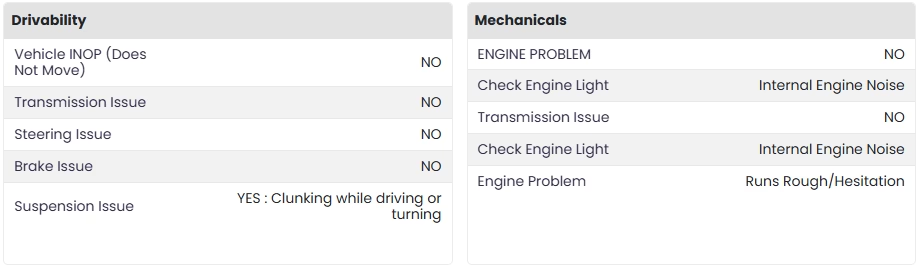
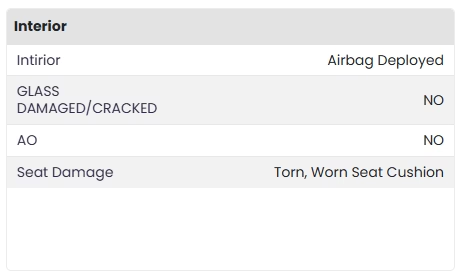
A condition report turns “runs rough” into something you can price. These two samples show the kind of detail to look for: drivability and mechanical notes, then interior notes.
How do you start flipping cars from auctions? 7 steps
Here is the path from zero to your first sale, using an online public auction as the example.
- 1. Set a budget for the whole flip. Decide what you can spend in total, not just on the bid. Leave a cushion for one surprise repair.
- 2. Check your state’s limit. Know how many cars you can sell in a year before you need a dealer license, and start your log with car number one.
- 3. Create a bidder account. On Remarket Space, signing up is free. You need a government photo ID before you buy, and no dealer license. See how buying works.
- 4. Research each car. Read the inspection results, open the free Carfax and watch the HD virtual test drive video. There are no in-person test drives, so the report and the video are your inspection. Then check sold prices for the same make and model.
- 5. Set your maximum bid and stick to it. Use the formula above. Bids are binding and cannot be retracted, and live bidding moves in $50 steps, so decide your ceiling before the auction starts. You can also take a car right away with Buy Now. More tactics are in our auction bidding strategies guide.
- 6. Pay and take delivery. Payment is due within 48 hours of winning. Every vehicle is delivered, typically within 48 hours in the Twin Cities area and the St. Louis area, with a delivery quote shown on the listing.
- 7. Fix, clean, photograph and list. Do the repairs you planned, detail the car, and have your ad ready for the day the title is in your name.
New to bidding in general? Start with our tips for first-time auction buyers.
How do you resell a flipped car for a profit?
- Price from sold comps. Price a little under the nearest comparable cars and you will sell in days instead of weeks. Time is a cost.
- Disclose what you know. List the repairs you made and the flaws that remain, and show the history report. Honest ads bring serious buyers and fewer wasted showings.
- Take real photos. Clean car, daylight, every side, the interior, the odometer and the engine bay.
- List where local buyers look. Facebook Marketplace and other local classifieds reach the most private buyers for everyday cars.
- Do the paperwork right. Sign the title over correctly and give the buyer a bill of sale. Keep copies, along with your purchase price, repair receipts and sale price for tax time.
- Count the sale. Add it to your log so you stay under your state’s limit.
Why flippers bid on Remarket Space
Remarket Space is an online auction open to the public, so you can bid from home with no dealer license. Every listing has an inspection by a Verified Remarket Space Inspector with the results published, a free Carfax and an HD virtual test drive, which lets you price repairs before you bid. The listing shows your out-the-door total, so the fees are in your math from the start. Cars come from the Twin Cities area and the St. Louis area, No Reserve cars run every day, and eligible cars carry a 3-Day Major Mechanical Guarantee. After three purchases you get Power Buyer perks, such as negotiating Buy Now prices and priority same-day delivery.
See cars up for auction now, browse cars under $5,000, or check the St. Louis car auction guide if you are buying in Missouri.
Frequently asked questions
It can be, if you buy on facts. Your profit is the resale price minus the bid, buyer fees, sales tax, title fees, transport, repairs and selling costs. Flippers who set a maximum bid from a realistic resale price, and pass when the numbers are thin, are the ones who make money.
Set a total budget, check how many cars your state lets you sell without a dealer license, and register at a public auction. Research one car fully, set a maximum bid that covers every cost, buy it, make the planned repairs, and list it with honest photos once the title is in your name.
Everyday sedans, small SUVs and pickups are usually the easiest, because many local buyers want them and parts are cheap. Look for clean titles, a published inspection and one known, low-cost fix. Skip luxury models and cars with engine or transmission problems on your first flips.
Yes. Public auctions, including online ones like Remarket Space, let private buyers bid with no dealer license. You title the car in your name, then resell it. Your state limits how many vehicles you can sell in a year before you need a dealer license, so track every sale.
Not for a few cars a year in most states. Minnesota requires a dealer license once you sell more than five vehicles in a 12-month period. Missouri makes it unlawful to sell six or more in a calendar year without one. Check your own state before you scale up.
Flipping a car means buying a used vehicle below its market value, fixing or cleaning it where that adds value, and reselling it quickly for more than your total cost. The short hold is what separates flipping from reselling, where a seller waits longer for the best price.
As a private buyer, yes. Tax is due when the car is titled in your name. Minnesota charges 6.875 percent of the purchase price. Licensed dealers buying for resale are treated differently, which is one reason high-volume flippers get licensed. Count the tax in your maximum bid.
Sources
- Minnesota Driver and Vehicle Services: Dealers
- Minnesota Statutes 168.27: Motor vehicle dealers
- Minnesota Statutes 297B.02: Motor vehicle sales tax rate
- Missouri Revised Statutes 301.570: Sales without a dealer license
- FTC: Dealer’s Guide to the Used Car Rule
- Remarket Space: Buyer premium and fees
- Remarket Space: How it works
General information, not legal or tax advice. Dealer license and tax rules change, so confirm with your state before you sell.